In a wide-ranging and colourful speech to Republican lawmakers on Tuesday, January 6, 2026, former U.S. President Donald Trump made a surprising accusation against captured Venezuelan leader Nicolas Maduro: he copied his dance moves. Trump also offered a personal revelation about his wife, former First Lady Melania Trump, stating she disapproves of his on-stage antics.
A Dance-Off as Geopolitical Taunt
The comments came as Trump celebrated the recent capture of Maduro by U.S. special forces in a raid the previous Saturday. Addressing the House Republican retreat at the Kennedy Center in Washington—recently renamed the Trump-Kennedy Center by a board he appointed—Trump connected Maduro's public performances to the decision to act.
"He gets up there and he tries to imitate my dance a little bit," Trump told the assembled lawmakers. This accusation follows a New York Times report suggesting that Maduro's regular public dancing in defiance of U.S. threats helped convince White House officials to move against his regime in late 2025.

Melania Trump's Presidential Etiquette Concerns
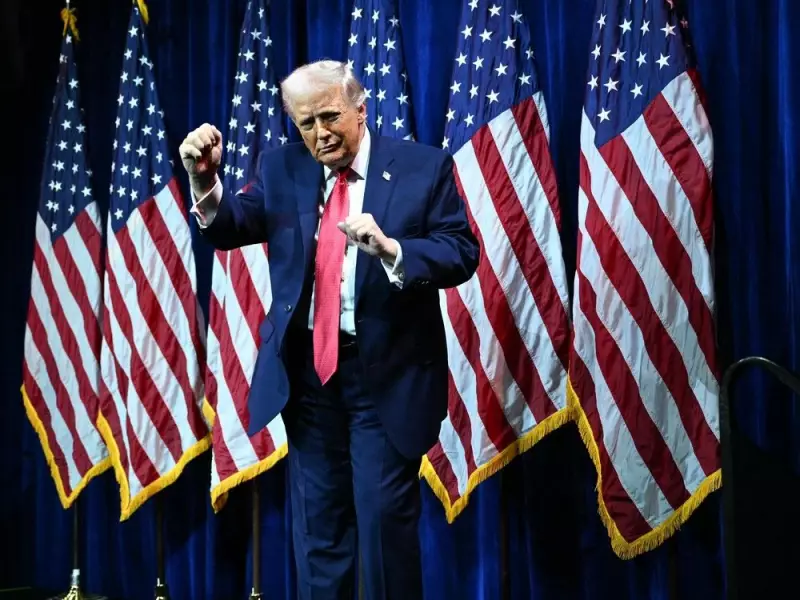
While criticizing Maduro for what he called violent actions, Trump circled back to the topic of his own physical expressions. Known for dancing to the Village People's "Y.M.C.A." at rallies, the 79-year-old former president performed an exaggerated imitation while discussing his administration's ban on transgender women in women's sports.
It was then he shared a domestic detail. "My wife hates when I do this," Trump said. "She said, 'it's so unpresidential.'" He had earlier noted, "She hates it when I dance," confirming the First Lady's less-than-enthusiastic view of his signature moves.
Broader Context of the Speech
The speech, which hailed the "brilliant" special forces raid that seized Maduro and his wife, served primarily as a launch for the 2026 U.S. midterm elections. Trump outlined policy priorities for the crucial November vote that will determine control of Congress.
Alongside the dance allegations, Trump levied severe charges against Maduro, claiming he was "a violent guy" responsible for millions of deaths and torture, including an alleged torture chamber in central Caracas that was being closed. However, he provided no further details on these allegations or on his previously stated, vague plans for the U.S. to "run" oil-rich Venezuela post-Maduro.
The contrast was stark: as U.S. forces massed in the Caribbean, leftist Maduro was seen publicly dancing to a techno remix of his "No War, Yes Peace" mantra. Trump's response, both geopolitical and performative, framed the conflict in unusually personal terms, blending statecraft with a peculiar critique of dance-floor etiquette.