Unprecedented Archaeological Discovery in Lake Mendota
Archaeologists in Wisconsin have made a remarkable discovery at the bottom of Lake Mendota, identifying what researchers are calling a prehistoric 'parking lot' containing 16 ancient canoes. The finding represents one of the most significant archaeological discoveries in the region's history, offering new insights into the lives of Indigenous peoples who inhabited the area centuries ago.
Details of the Underwater Find
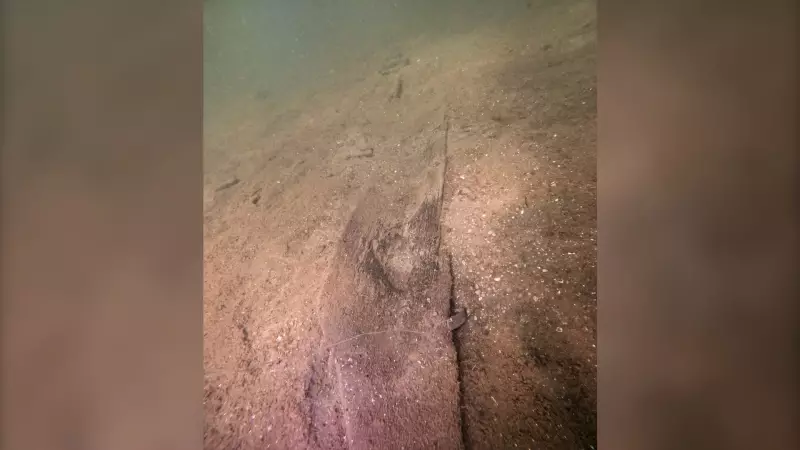
The discovery was made by Wisconsin Historical Society Maritime Archaeologist Tamara Thomsen, who documented the canoes resting on the lake bottom in June 2025. The collection of watercraft spans different time periods, suggesting the site served as a persistent landing area for Indigenous communities over generations.
Located in Madison, Wisconsin, Lake Mendota has long been known to contain archaeological treasures, but this concentration of canoes exceeds previous findings. The canoes vary in size and construction methods, indicating they were used for different purposes and created during various eras of prehistoric settlement.

Significance for Understanding Indigenous History
This discovery provides archaeologists with unprecedented evidence about water transportation networks and settlement patterns in prehistoric Wisconsin. The canoes' preservation in the cold, freshwater environment has allowed researchers to study construction techniques that would otherwise have been lost to time.
The finding challenges previous assumptions about the scale of water-based travel and trade among Indigenous communities in the region. Researchers believe the site may have served as a central hub for transportation, fishing, and trade activities spanning multiple generations of Indigenous peoples.
Archaeologists continue to study the canoes using non-invasive techniques to learn more about the people who created and used them. The discovery underscores the rich Indigenous history of the Great Lakes region and the ongoing importance of underwater archaeology in uncovering North America's ancient past.