Ancient Bone Fragments Unearthed in Mexico City as World Cup Approaches
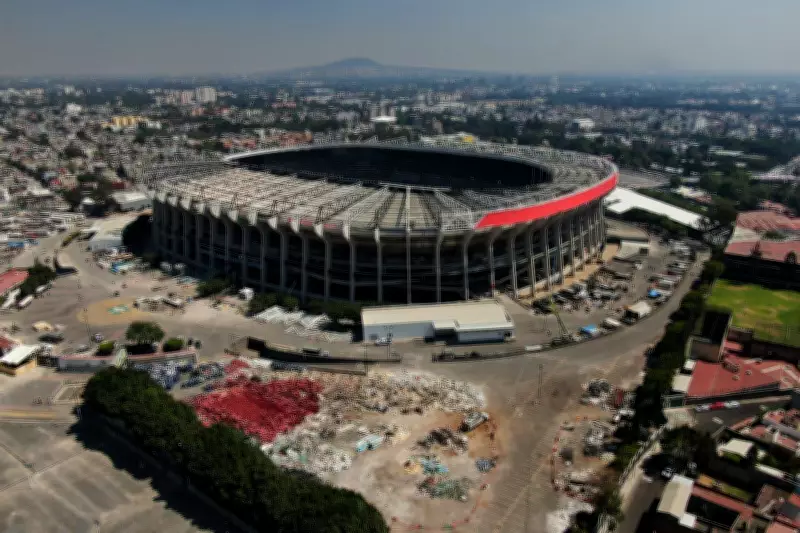
In a startling archaeological discovery, hundreds of ancient bone fragments have been uncovered in Mexico City, mere meters from the iconic Azteca Stadium. This finding comes exactly 100 days before the scheduled opening ceremony of the 2026 FIFA Soccer World Cup, casting a historical shadow over the impending global sporting event.
A Pre-Columbian Discovery Amid Modern Preparations
The bone fragments, believed to date from the pre-Columbian era, were discovered during routine construction and site assessment work in the stadium's vicinity. The Azteca Stadium, a venue steeped in football history and set to host key matches during the 2026 tournament, now finds itself at the center of a significant cultural and historical investigation.
Archaeologists and local authorities have cordoned off the area to conduct a thorough examination. Initial reports suggest the fragments could be linked to ancient Mesoamerican civilizations, potentially offering new insights into the region's rich and complex past. The timing, however, is particularly sensitive given the intense global focus on final preparations for the World Cup.

Balancing Cultural Heritage with Sporting Spectacle
Mexican officials face the delicate task of ensuring the archaeological site is properly preserved and studied while minimizing disruption to the stadium's operational readiness. The discovery raises important questions about the intersection of modern development, cultural preservation, and large-scale international events.
"This is a reminder that beneath our modern cities lie layers of history," stated a representative from Mexico's National Institute of Anthropology and History. "While we celebrate the future with events like the World Cup, we must also honor and protect the past."
The 2026 FIFA World Cup, to be jointly hosted by the United States, Canada, and Mexico, represents a monumental undertaking. Mexico City's Azteca Stadium is poised to be a focal point, having previously hosted two World Cup finals. This latest discovery adds an unexpected chapter to its storied legacy.
What Happens Next?
Authorities have assured the public and FIFA organizers that the find will not delay World Cup preparations. A specialized team is working expediently to document, analyze, and safely extract the fragments. The goal is to complete the archaeological assessment well before the influx of teams and fans begins.
This incident highlights the ongoing challenges of urban archaeology in historically rich cities like Mexico City. As the world turns its eyes to the beautiful game, this ancient discovery serves as a poignant reminder of the deep historical roots that ground even the most modern of celebrations.