The Holy Grail of Shipwrecks Yields Its First Treasures
Colombia has officially begun recovering the first artifacts from what archaeologists call the holy grail of shipwrecks - the Spanish galleon San Jose, which sank over 300 years ago while carrying one of the most valuable cargoes in maritime history.
Historical Significance and Discovery
The San Jose galleon met its fate in 1708 during a battle with British ships in the Caribbean Sea. The vessel was transporting an enormous treasure of gold, silver, and emeralds from the Spanish colonies in the Americas back to Spain when it went down, taking most of its 600 crew members with it.
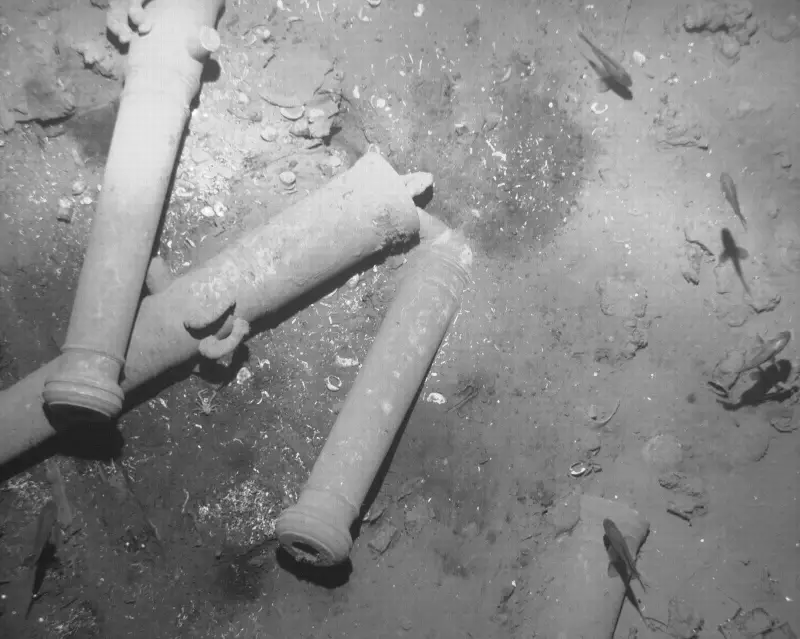
After centuries of speculation and searching, the wreck was finally located in December 2015 by the Colombian government. The discovery was confirmed through underwater photographs showing distinctive bronze cannons with dolphin engravings, which matched historical records of the San Jose's armament.

Recovery Operations Begin
The recent recovery operations mark a significant milestone in underwater archaeology. Using advanced robotic technology and careful excavation methods, Colombian authorities have started bringing the first artifacts to the surface.
Initial recoveries include ceramic pieces, pottery fragments, and personal items that belonged to the crew. These objects provide crucial insights into life aboard Spanish galleons during the colonial period and help archaeologists understand the ship's final moments.
The Colombian Ministry of Culture has emphasized that the recovery process follows strict archaeological protocols to preserve the historical integrity of the site. The operation represents one of the most complex underwater archaeological projects ever undertaken.
Ongoing Controversies and Future Plans
The San Jose wreck has been subject to numerous legal disputes since its discovery. Spain claims ownership as the ship was a Spanish naval vessel, while Colombia asserts rights as the country in whose waters the wreck lies. Indigenous groups in Bolivia have also made claims, arguing the treasure was mined using forced indigenous labor.
Despite these controversies, Colombia plans to establish a museum dedicated to the San Jose and its recovered artifacts. The government has allocated significant resources to properly conserve and study the items, ensuring they remain accessible to the public and researchers.
Archaeologists estimate that the full recovery and analysis of the San Jose's contents could take decades, given the sheer volume of material and the delicate nature of underwater excavation at such depths.