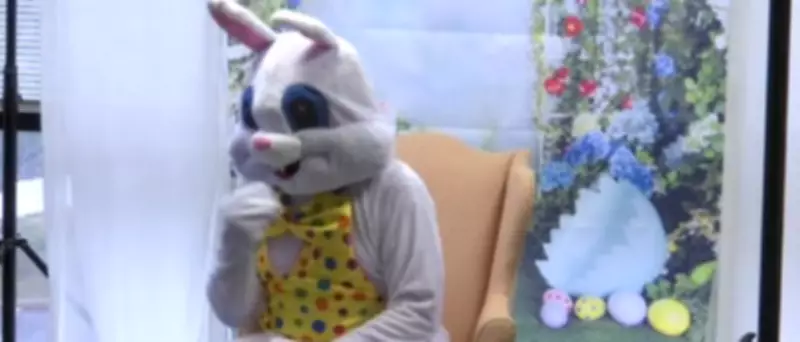
The iconic Easter Bunny, a beloved symbol of springtime celebrations across the United States, has deep historical roots that trace directly back to Pennsylvania. This festive tradition was introduced to American soil centuries ago by German immigrants who settled in the region, bringing with them rich cultural customs that would eventually evolve into a nationwide phenomenon.
The German Settlers' Influence
German settlers arriving in Pennsylvania during the 18th and 19th centuries carried with them the folklore of the "Osterhase," or Easter Hare, a figure that would lay colored eggs for well-behaved children. This charming belief gradually merged with local practices, laying the foundation for the modern Easter Bunny as it is known today. The assimilation of this tradition highlights how immigrant communities have profoundly shaped American cultural heritage, embedding their stories into the national fabric.
Johann Conrad Gilbert's Historic Artwork
The first known visual representation of the Easter Bunny in the United States was created by Johann Conrad Gilbert, a Pennsylvania German artist. His painting, which dates back to the early 1800s, captures the whimsical essence of the Easter Hare and serves as a crucial historical artifact. This artwork is meticulously preserved at the Winterthur Museum, Garden, and Library in Delaware, where it offers visitors a glimpse into the early American interpretation of this festive symbol.

Preservation at Winterthur Museum
The Winterthur Museum, renowned for its extensive collection of American decorative arts, houses Gilbert's painting as part of its efforts to document and celebrate the nation's diverse cultural history. The museum's role in safeguarding this piece underscores the importance of preserving artifacts that illustrate the evolution of traditions over time. By maintaining such works, institutions like Winterthur provide invaluable resources for researchers and the public alike, fostering a deeper understanding of America's multicultural origins.
Evolution of the Easter Bunny Tradition
From its Pennsylvania German beginnings, the Easter Bunny has undergone significant transformation, becoming a central figure in Easter celebrations nationwide. Initially associated with egg-laying and modest gifts, the character has expanded to include elaborate basket deliveries and community events, reflecting broader changes in American society and commercialization. This evolution demonstrates how traditions can adapt while retaining their core cultural significance, connecting generations through shared rituals.
In summary, the Easter Bunny's journey from a German immigrant custom to a mainstream American icon is a testament to the enduring power of cultural exchange. Through the artistry of Johann Conrad Gilbert and the preservation efforts of institutions like the Winterthur Museum, this tradition continues to enchant and educate, reminding us of the rich tapestry of influences that define the United States.