In a landmark move for cultural reconciliation, the Vatican is returning sixty-two Indigenous artifacts to Canada as a gift from Pope Francis. This significant repatriation represents a crucial step in addressing the colonial legacy that has affected Indigenous communities across the country.
Historical Context and Significance
The artifacts, which have been housed in the Vatican Museums' ethnographic collections, are making their journey back to their rightful communities. This gesture follows Pope Francis's visit to Canada in July 2022, where he met with Indigenous peoples at Maskwaci, the former Ermineskin Residential School in Alberta.
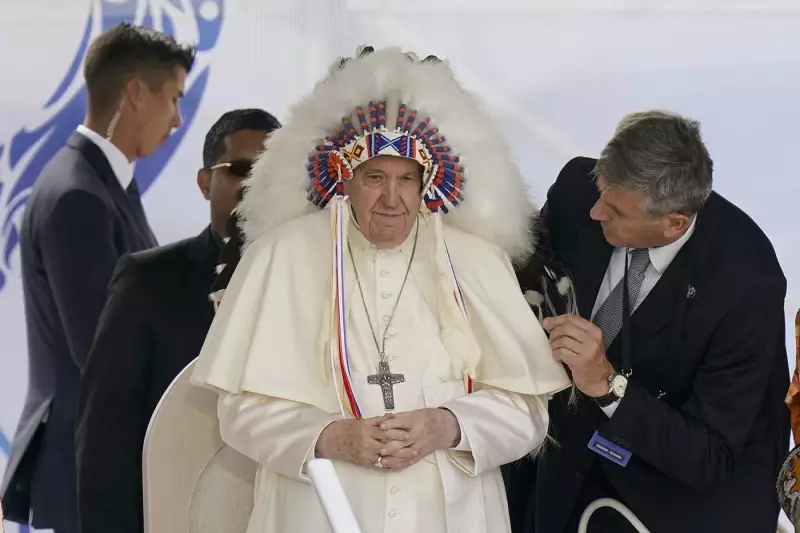
During that emotional visit, the Pope was gifted a traditional headdress, symbolizing the complex relationship between the Catholic Church and Indigenous communities. The Vatican Museums had recently reopened its African and American ethnographic collections in March 2023, showcasing restored Rwandan raffia screens that Catholic missionaries sent to the Vatican for a 1925 exhibition.

The Repatriation Process
The return of these sixty-two artifacts represents one of the most substantial repatriation efforts between the Vatican and Indigenous communities. While the specific types of artifacts weren't detailed in the initial announcement, such returns typically include ceremonial objects, traditional clothing, and cultural items of spiritual significance.
This initiative aligns with growing global movements toward repatriating cultural heritage items to their countries and communities of origin. For Indigenous peoples in Canada, these objects hold profound cultural, spiritual, and historical value that transcends their physical form.
Broader Implications for Reconciliation
The Vatican's decision to return these artifacts comes amid Canada's ongoing truth and reconciliation process. The Catholic Church operated numerous residential schools in Canada where Indigenous children were forced to assimilate, losing their language, culture, and family connections.
This repatriation represents more than just the physical return of objects—it symbolizes a recognition of the importance of Indigenous cultural preservation and the need to address historical wrongs. The artifacts' homecoming will allow Indigenous communities to reclaim important aspects of their cultural heritage and strengthen intergenerational knowledge transfer.
As these sixty-two significant cultural items prepare to return to Canadian soil, they carry with them the hopes for continued reconciliation and the preservation of Indigenous cultural practices for future generations.