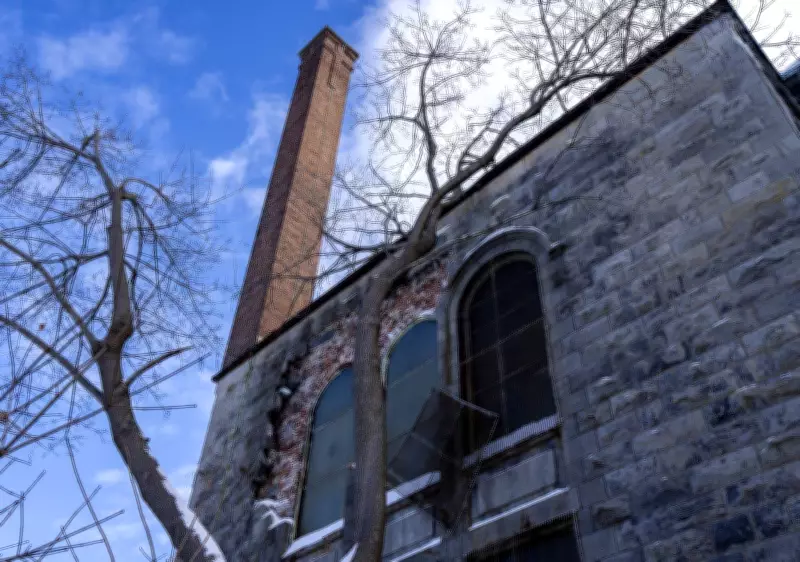
Quebec Churches Grapple with Financial and Cultural Pressures
The iconic churches of Quebec, long-standing symbols of the province's rich history, are facing an unprecedented crisis. A combination of dwindling government financial support and the steady rise of secularism in society has pushed many of these architectural and cultural landmarks to the brink of closure. This troubling trend is particularly evident in Montreal, where historic structures like the Saint-Eusebe-de-Verceil church stand as poignant reminders of a shifting cultural landscape.
The Impact of Reduced Funding and Changing Values
For decades, Quebec's churches have relied on a mix of public funds and private donations to maintain their operations and preserve their physical integrity. However, recent years have seen a significant reduction in government grants and subsidies aimed at supporting religious institutions. This financial strain is compounded by broader societal changes, as Quebec embraces a more secular identity, leading to declining congregation sizes and reduced community engagement with traditional religious practices.
The consequences are stark: many churches now struggle with costly repairs, rising maintenance expenses, and the challenge of adapting to modern uses. Without adequate funding, these buildings risk falling into disrepair or being demolished, erasing vital pieces of Quebec's cultural and architectural heritage. The situation highlights a delicate balance between respecting secular principles and preserving historical landmarks that contribute to the province's unique character.

Montreal as a Microcosm of the Crisis
In Montreal, the issue is especially acute. The city is home to numerous historic churches that dot its skyline, serving not only as places of worship but also as community hubs and tourist attractions. The Saint-Eusebe-de-Verceil church, for instance, represents just one of many structures facing an uncertain future. As funding dries up, local communities and heritage advocates are raising alarms about the potential loss of these irreplaceable assets.
Efforts to repurpose churches for secular uses—such as cultural centers, libraries, or housing—have emerged as potential solutions, but they often require substantial investment and community support. The debate continues over how best to safeguard these buildings while respecting the province's secular values, with many calling for innovative approaches to funding and preservation.
Looking Ahead: Challenges and Opportunities
The plight of Quebec's churches underscores broader questions about the role of religion in a modern, secular society and the responsibility to protect historical heritage. As government priorities shift and societal attitudes evolve, stakeholders must navigate complex financial, cultural, and ethical considerations. The outcome will likely shape the future of Quebec's urban and rural landscapes for generations to come.
Without decisive action, the risk of losing these cherished structures grows each day, threatening to erase tangible links to the past. The situation calls for collaborative efforts between government bodies, heritage organizations, and local communities to find sustainable solutions that honor both secular principles and historical preservation.