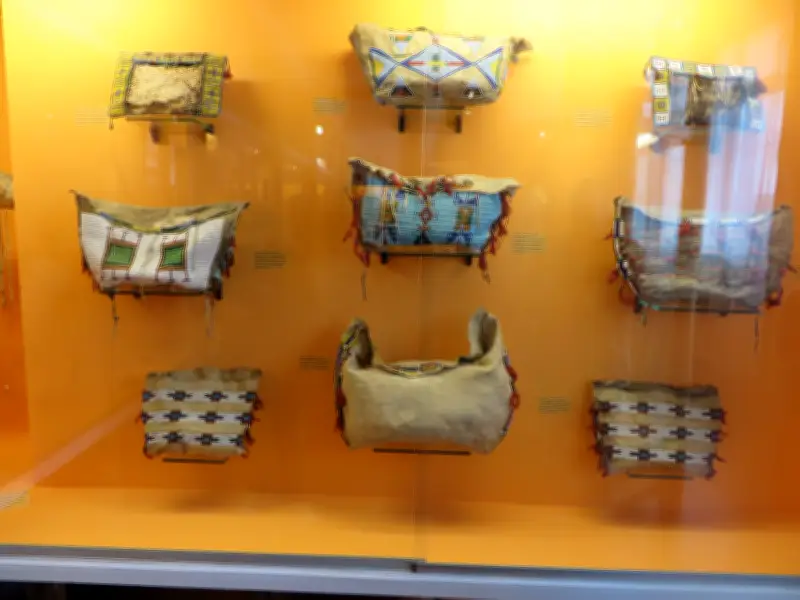
Urgent efforts to reclaim sacred items
First Nations leaders are scrambling to prevent the sale of sacred Indigenous artifacts currently held in a Swiss museum that is closing its doors. The items, which hold deep cultural and spiritual significance, could soon end up in private hands if not secured by Indigenous communities or Canadian institutions.
The museum, located in Switzerland, has announced its closure, triggering a liquidation of its collection. Among the artifacts are items used in ceremonies and daily life by First Nations peoples, some dating back centuries. Indigenous leaders argue that these objects are not mere collectibles but integral to their cultural identity and heritage.
Race against time
According to Alex Karpa, who reported on the situation, the artifacts are at risk of being sold to the highest bidder. First Nations representatives are working with Canadian officials and international partners to negotiate the return or purchase of the items. However, time is limited as the museum's closure process moves forward.

“These artifacts are part of our living history,” said a First Nations leader involved in the efforts. “They belong with our people, not in a private collection where they lose their meaning.” The leader spoke on condition of anonymity due to the sensitivity of the negotiations.
Broader implications
The potential sale highlights ongoing challenges in repatriating Indigenous cultural property. Many artifacts were taken without consent during colonial times and now reside in museums worldwide. The closure of this Swiss museum underscores the vulnerability of such items when institutions change hands or shut down.
Canadian officials have expressed support for the repatriation efforts but face legal and financial hurdles. The cost of acquiring the artifacts could be substantial, and private collectors may outbid Indigenous groups. “We need swift action and funding to protect these treasures,” added the leader.
The situation has drawn attention from international cultural heritage organizations, which advocate for the return of sacred objects to their communities of origin. As the deadline approaches, First Nations leaders remain hopeful but acknowledge the difficulty of the task.