Warner Bros. Announces Monumental $110 Billion Acquisition of Paramount
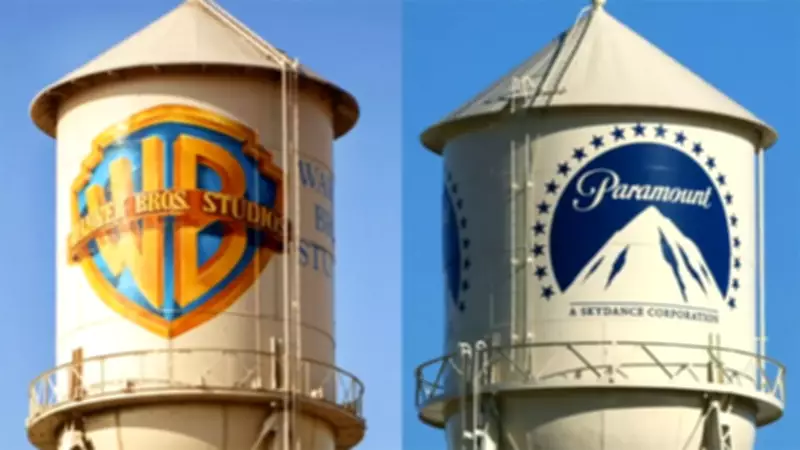
In a stunning revelation that is set to reshape the global entertainment landscape, Warner Bros. has officially signed a colossal $110 billion deal to acquire Paramount. The groundbreaking agreement was disclosed by a senior Warner Bros. executive during an internal townhall meeting, confirming widespread industry speculation about a potential mega-merger between the two media titans.
Details of the Historic Media Merger
The $110 billion transaction represents one of the largest media acquisitions in history, combining Warner Bros.' extensive film, television, and streaming assets with Paramount's iconic studio operations and content library. This strategic move is expected to create an entertainment powerhouse capable of competing more effectively in an increasingly consolidated market dominated by streaming services and international conglomerates.
According to sources familiar with the townhall discussion, the executive emphasized that the deal would "unlock unprecedented creative and financial synergies" while positioning the combined entity for long-term growth in both traditional and digital distribution channels. The acquisition includes Paramount's film studio, television production units, and valuable intellectual property rights, complementing Warner Bros.' already substantial portfolio.

Industry Implications and Competitive Landscape
The Warner Bros.-Paramount merger arrives at a critical juncture for the entertainment industry, where traditional studios face mounting pressure from tech giants entering the content creation space. This consolidation signals a strategic response to shifting consumer viewing habits and the escalating costs associated with premium content production for streaming platforms.
Industry analysts predict the combined company will command:
- Enhanced bargaining power in content licensing negotiations
- Greater resources for blockbuster film franchises and series development
- Improved economies of scale in production and distribution
- Stronger competitive positioning against Disney, Netflix, and Amazon Studios
Regulatory Considerations and Timeline
While the deal has been signed, regulatory approval processes in multiple jurisdictions are anticipated to extend over several months. Antitrust authorities will likely scrutinize the merger's potential impact on market competition, particularly concerning theatrical distribution and streaming service concentration. The executive reportedly assured employees that the companies have prepared comprehensive regulatory filings addressing these concerns.
The townhall disclosure represents the first official confirmation of the long-rumored negotiations between the entertainment giants. This transparency initiative appears designed to manage internal expectations and preempt external speculation as details gradually emerge through formal regulatory channels.
As the entertainment world absorbs this monumental news, attention now turns to integration planning, leadership structures for the combined entity, and the strategic vision that will guide the new media behemoth through an era of unprecedented transformation in how content is created, distributed, and consumed globally.