The Edmonton Journal has released its editorial cartoons for March 2026, showcasing sharp political satire and commentary through the artistic lens of its illustrators. These cartoons provide a visual critique of current events, blending humor with insightful observations on both provincial and international affairs.
Alberta Political Commentary Through Art
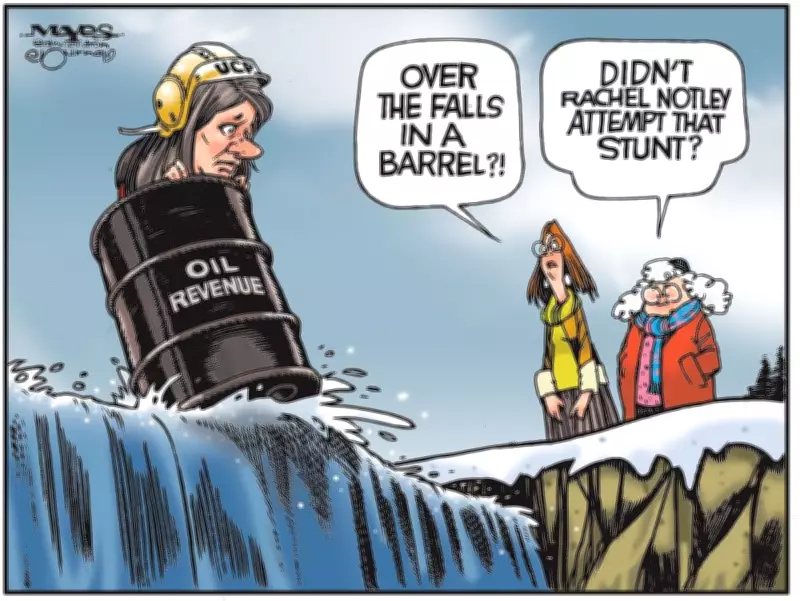
One notable cartoon by Malcolm Mayes draws a parallel between former Premier Rachel Notley and current Premier Danielle Smith, depicting both figures navigating the turbulent waters of declining oil revenues. The illustration symbolically shows them "riding oil revenue drop over the falls," capturing the economic challenges facing Alberta's energy sector with artistic metaphor.
International Conflict in Satirical Form
Another significant piece addresses global tensions, with a cartoon portraying former President Donald Trump initiating conflict with Iran. This work by Malcolm Mayes uses visual satire to comment on international relations and the potential consequences of political decisions, reflecting broader concerns about global stability.

The Role of Editorial Cartoons in Journalism
Editorial cartoons have long served as a powerful medium for political expression within newspapers. The Edmonton Journal's March 2026 collection continues this tradition, using artistic imagery to distill complex political situations into accessible, thought-provoking commentary. These works often amplify the newspaper's editorial perspective while engaging readers through visual storytelling.
The cartoons featured in this collection demonstrate how:
- Visual metaphors can simplify intricate political issues
- Satire provides critical perspective on leadership decisions
- Artistic commentary complements traditional news reporting
- Local newspapers maintain cultural relevance through creative content
Preserving Editorial Cartoon Traditions
Despite digital transformations in media, editorial cartoons remain a vital component of newspaper journalism. The Edmonton Journal's commitment to publishing these works reflects an understanding of their unique value in political discourse. As readers increasingly consume news through various platforms, such visual commentary helps maintain the newspaper's distinctive voice and editorial identity.
The March 2026 collection represents just one installment in the newspaper's ongoing tradition of political cartooning, demonstrating how artistic expression continues to intersect with journalistic commentary in meaningful ways.