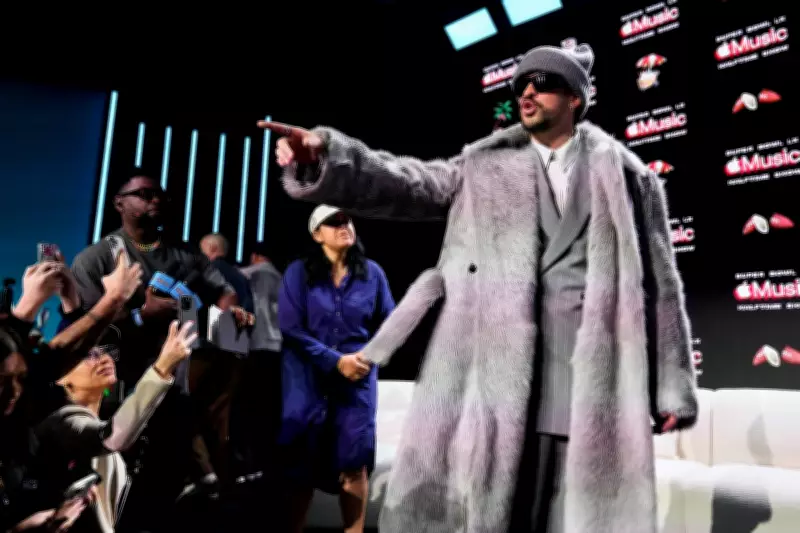
Understanding Bad Bunny's Musical Universe: A Guide for Canadian Listeners
As global superstar Bad Bunny prepares to headline the Apple Music Super Bowl LX Halftime Show on February 8, 2026, Canadian music enthusiasts might find themselves curious about the Puerto Rican artist's meteoric rise and distinctive sound. With his performance scheduled in San Francisco ahead of Super Bowl 60 between the Seattle Seahawks and New England Patriots, this moment represents a significant cultural milestone that transcends language barriers.
The Cultural Context Behind the Music
Bad Bunny, born Benito Antonio Martínez Ocasio, has revolutionized Latin music by blending reggaeton with diverse influences ranging from rock to traditional Caribbean rhythms. His lyrics often address complex themes including social justice, mental health, and personal identity, making his work resonate deeply with audiences worldwide. For Canadian listeners unfamiliar with Spanish-language music, understanding these contextual elements can transform the listening experience from mere entertainment to cultural appreciation.
Key Themes in Bad Bunny's Lyrics
Social Commentary: Many of Bad Bunny's songs critique societal norms and political structures. Tracks like "El Apagón" address Puerto Rico's ongoing power struggles, while "Yo Perreo Sola" champions female independence and safety in nightlife settings.

Emotional Vulnerability: Contrary to reggaeton's stereotypical party anthems, Bad Bunny frequently explores emotional depth. Songs such as "Si Veo a Tu Mamá" and "La Canción" delve into heartbreak and nostalgia with poetic sincerity that transcends language barriers.
Cultural Pride: The artist consistently celebrates his Puerto Rican heritage while collaborating with international artists, creating a unique fusion that has propelled Latin music to unprecedented global prominence.
Musical Evolution and Super Bowl Significance
Bad Bunny's selection as the Super Bowl Halftime performer marks a historic moment for Latin representation in mainstream American entertainment. His journey from SoundCloud uploads to stadium headliner reflects broader shifts in the music industry where streaming has democratized access and language has become less of a barrier to international success.
For Canadian audiences experiencing extreme winter conditions from Toronto's cold warnings to Alberta's balmy anomalies, Bad Bunny's tropical-infused sound offers a vibrant auditory escape. His performance comes at a time when Canadian entertainment news spans diverse topics from Vancouver's trading card exhibitions to Calgary's Olympic watch parties, demonstrating the country's eclectic cultural consumption.
How to Approach Bad Bunny's Music
Start with translations: While the rhythm is immediately engaging, reading translated lyrics reveals the substance behind the beats. Many streaming platforms now offer synchronized translations.
Explore collaborations: Bad Bunny has worked with artists across genres including Drake, J Balvin, and Rosalía. These cross-cultural partnerships provide accessible entry points for listeners new to Latin music.
Consider the visuals: The artist's music videos are integral to his storytelling, often featuring bold fashion statements and cinematic narratives that enhance the lyrical messages.
As Bad Bunny takes the Super Bowl stage, Canadian viewers have an opportunity to witness a cultural phenomenon that has already reshaped the global music landscape. Whether you're in Montreal facing steep Hydro-Québec bills or in Vancouver enjoying milder temperatures, his performance promises to deliver the energetic, boundary-pushing spectacle that has made him this generation's most influential Latin artist.