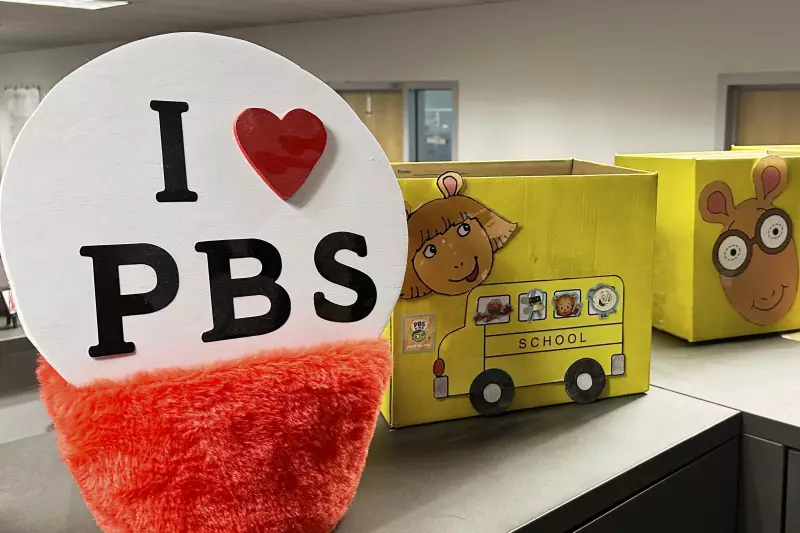
In a significant shift for public broadcasting, the Public Broadcasting Service (PBS) has permanently shut down its weekend newscasts. The decision, effective as of January 12, 2026, is a direct result of substantial funding cuts. The long-running news programs have been replaced by a new lineup of single-topic, in-depth programs.
The End of an Era for Weekend News
The move eliminates the traditional weekend news wrap-up broadcasts that have been a staple for viewers across the United States for decades. The Associated Press first reported the cessation, confirming that the final broadcasts aired on the weekend of January 10-11, 2026. The decision underscores the financial pressures facing public media institutions, even those as established as PBS.
While the specific titles of the cancelled newscasts were not detailed in the initial report, their absence creates a notable void in the public affairs television landscape. The replacement strategy focuses on single-subject programs, which PBS leadership likely hopes will allow for deeper exploration of issues but at the cost of broad, daily news summarization.

Context and Broader Media Landscape
This restructuring occurs amidst a turbulent period for news media globally, with traditional formats grappling with digital transformation and changing audience habits. The PBS decision reflects a strategic pivot, possibly aiming to differentiate its offering from the 24-hour news cycle of cable and online outlets.
The announcement was made without immediate detail on potential job losses for newsroom staff, anchors, or production crews associated with the cancelled programs. The impact on the network's ability to provide comprehensive, timely news coverage on weekends remains a primary concern for media analysts and loyal viewers.
What This Means for Public Broadcasting
The cancellation signals a profound change in the mission of PBS's weekend programming. Moving from general news to specialized topics represents a bet on niche, educational content over conventional journalism. This could appeal to specific viewer segments but risks reducing the service's role as a primary news source for a wider audience.
The funding environment that precipitated this cut will be closely watched. It raises questions about the long-term sustainability of publicly funded news operations and their evolution in a competitive digital ecosystem. The success or failure of the new single-topic format will be a key indicator of PBS's future direction in news and public affairs.
As of now, PBS has not indicated any similar plans for its weekday news programming, such as the flagship "PBS NewsHour." However, this weekend shutdown sets a precedent that may influence future programming and budgetary decisions across the entire public broadcasting system.