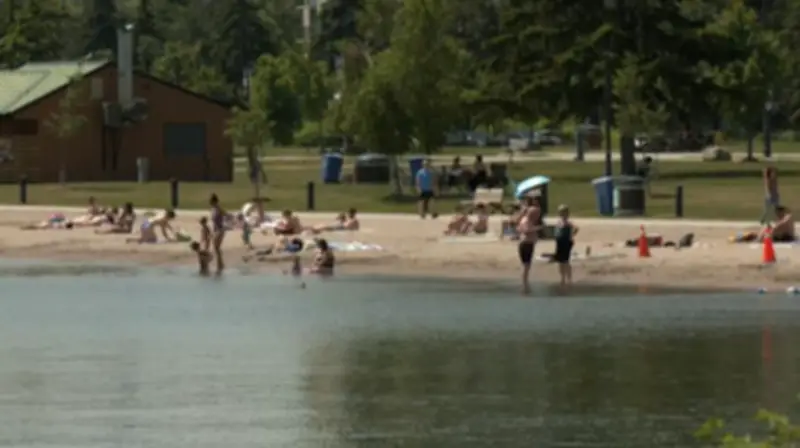
With temperatures soaring across Ontario, knowing how to recognize and respond to heat exhaustion is crucial. Heat exhaustion occurs when the body loses excessive water and salt through sweating, often during intense activity in hot weather. If not treated promptly, it can progress to heat stroke, a life-threatening condition.
Signs of heat exhaustion
Symptoms include heavy sweating, weakness, cold and clammy skin, nausea or vomiting, dizziness, headache, and fainting. The person may appear confused or agitated. According to the Canadian Red Cross, these signs require immediate action.
What to do
If you see someone with these symptoms, take these steps:

- Move to a cool place: Get the person out of the sun and into shade or air conditioning.
- Loosen clothing: Remove unnecessary garments to help cooling.
- Cool the body: Apply cool, wet cloths to the skin, or have them take a cool bath or shower.
- Hydrate: Offer water or a sports drink if they are conscious and able to swallow. Avoid caffeine or alcohol.
- Monitor: If symptoms worsen or last longer than one hour, seek medical help.
When to call 911
Heat stroke is a medical emergency. Call 911 if the person has hot, red, dry skin; a rapid, strong pulse; body temperature over 40°C (104°F); confusion; loss of consciousness; or stops sweating. While waiting for help, continue cooling efforts.
Prevention tips
To avoid heat exhaustion, stay hydrated, wear light clothing, limit outdoor activity during peak heat (11 a.m. to 4 p.m.), and take breaks in shade. Never leave children or pets in parked cars. According to Environment Canada, the heat index can make temperatures feel several degrees hotter, increasing risk.
As Barrie experiences its first heat wave of the summer, residents should check on vulnerable neighbours, especially the elderly and those without air conditioning. The City of Barrie has opened cooling centres at public libraries and community centres.