Eleven Indigenous adults from four communities in the Waabnoong Bemjiwang Association of First Nations (WBAFN) are beginning a 15-month Environmental Water Internship this week, in partnership with Water First Education and Training, Inc. The program, which launched on July 7, 2026, in North Bay, Ontario, aims to train participants in critical water and resource management skills, leading to potential jobs in local Lands and Resources offices and the broader environmental sector.
Hands-On Training and Community Impact
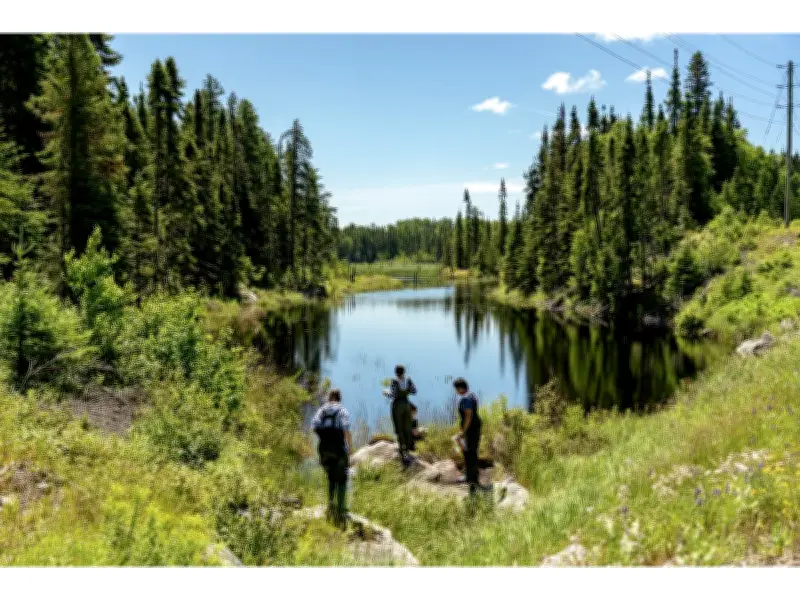
The internship provides more than 2,000 hours of hands-on, field-based experience, including water sampling, stream surveying, and environmental monitoring. Interns work alongside technical trainers, community members, and alumni of previous Water First programs. The curriculum is developed through collaborative consultation and assessment of community priorities, ensuring relevance to local needs.
Ashley Zelionka, Executive Director of WBAFN, stated: “Our partnership with Water First is helping build local environmental capacity by creating meaningful employment opportunities for members of our First Nation communities. Through hands-on experience and mentorship, interns are developing the skills needed to protect our lands and waters while supporting community priorities today and for future generations.”

Accreditation and Career Pathways
The internship is accredited by the Environmental Careers Organization of Canada (ECO Canada), the country's leading environmental employment service provider. Graduates can qualify for nationally recognized ECO Canada certifications in Water Quality, Environmental Data, and Fish Conservation, giving them a competitive advantage in the job market. To reduce barriers to participation, the program offers learning supports including laptop computers, phone allowances, one-on-one mentoring, and child care.
Addressing Environmental Challenges
Indigenous communities across Canada are disproportionately affected by environmental degradation from climate change and industrial runoff. Programs like this internship help ensure Indigenous communities have access to training that leads to greater independent resource management, from fisheries monitoring to critical data collection. This is the second offering of the Environmental Water Internship, following a successful pilot in 2024-2025.