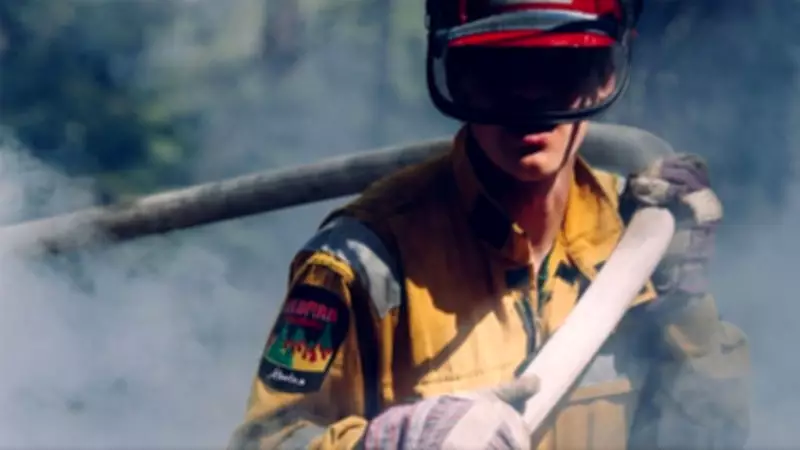
Alberta's Proactive Strategy for the 2026 Wildfire Season
As the 2026 wildfire season approaches, Alberta is taking decisive and comprehensive steps to enhance its preparedness and response capabilities. The provincial government, in collaboration with local authorities and emergency services, is implementing a multi-faceted strategy designed to mitigate risks, protect communities, and safeguard natural resources across the region.
Enhanced Resource Allocation and Training
Central to Alberta's preparation efforts is the significant increase in resource allocation for wildfire management. This includes bolstering the fleet of firefighting aircraft, such as water bombers and helicopters, to ensure rapid deployment when needed. Additionally, ground crews are undergoing intensive training exercises that simulate various wildfire scenarios, focusing on containment techniques, safety protocols, and coordination with other agencies. These measures aim to build a more resilient and responsive workforce capable of handling the unpredictable nature of wildfires.
Community Safety and Public Awareness Campaigns
Protecting residential areas and critical infrastructure is a top priority. Alberta is launching extensive public awareness campaigns to educate residents on fire prevention, evacuation procedures, and creating defensible spaces around properties. Communities in high-risk zones are receiving support for developing or updating their emergency plans, including designated evacuation routes and shelters. Local fire departments are also conducting drills and workshops to engage citizens directly, fostering a culture of preparedness at the grassroots level.

Advanced Detection and Monitoring Systems
Leveraging technology, Alberta is investing in advanced detection systems to identify wildfires at their earliest stages. This includes the deployment of remote sensors, satellite imagery analysis, and drone surveillance to monitor forested areas for signs of ignition. Early detection allows for quicker responses, potentially containing fires before they escalate into larger, more destructive events. The integration of real-time data sharing between agencies ensures that information flows seamlessly, enabling coordinated action across the province.
Collaborative Efforts and Climate Considerations
Recognizing the broader environmental context, Alberta's strategy incorporates climate resilience into its planning. Officials are analyzing historical weather patterns and predictive models to anticipate conditions that could exacerbate wildfire risks, such as prolonged droughts or extreme heat. Collaboration with neighboring provinces and federal agencies is being strengthened to share resources and expertise during cross-border incidents. This holistic approach not only addresses immediate threats but also builds long-term sustainability in forest management practices.
By taking these proactive measures, Alberta aims to reduce the impact of wildfires on both human lives and the environment. The 2026 season presents challenges, but with enhanced preparedness, the province is positioning itself to respond effectively and safeguard its communities and natural landscapes.