Canadian biologists are raising alarms over potential funding cuts by the Trump administration that could endanger bat populations in British Columbia. Researchers emphasize that bats do not recognize political borders, making cross-border collaboration essential for their conservation.
Bats Without Borders
According to scientists, bats migrate freely between Canada and the United States, and threats such as white-nose syndrome require coordinated efforts. The proposed cuts to U.S. wildlife programs could severely limit research and monitoring activities.
Impact on Research
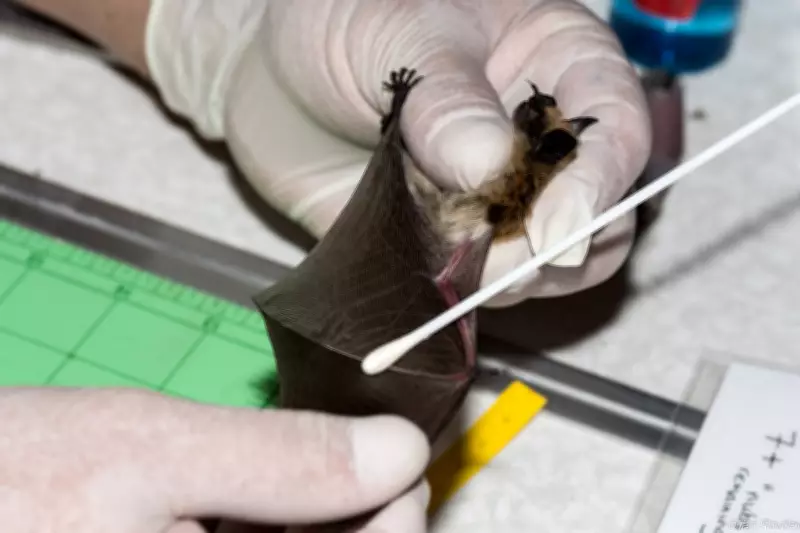
Biologists in B.C. rely on funding from both Canadian and U.S. sources to study bat health and migration patterns. Without adequate support, they fear critical data collection will stall, leaving bat populations vulnerable.

“We are already seeing declines in some species,” said a researcher. “If funding disappears, we may not be able to track the spread of diseases or implement protective measures.”
Conservation at Risk
The cuts come at a time when bats face multiple stressors, including habitat loss and climate change. Local conservation groups urge governments to maintain funding to protect these vital pollinators and insect controllers.
The Canadian government has not yet announced alternative funding, but officials say they are monitoring the situation closely.