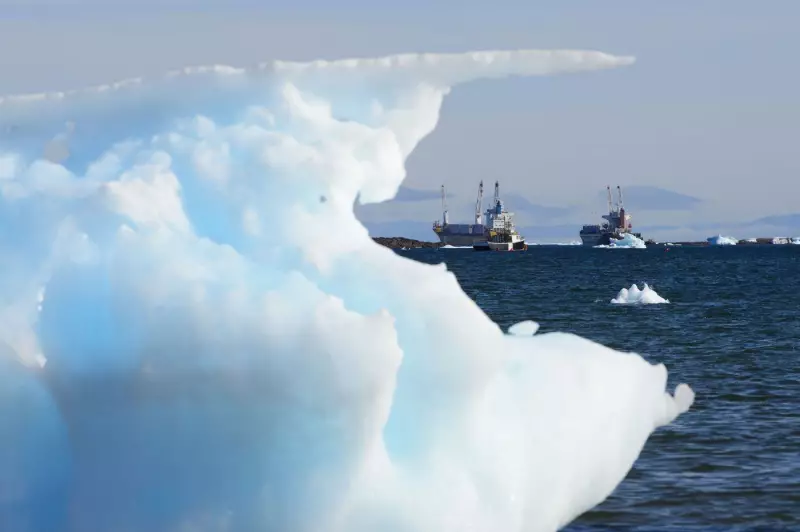
Navigating the treacherous waters of the Canadian Arctic is becoming an increasingly complex challenge, prompting urgent calls for enhanced technological solutions. The situation, underscored by a striking image of ships framed by melting sea ice in Frobisher Bay near Iqaluit, Nunavut, highlights the pressing need for innovation in one of the world's most demanding environments.
The Changing Face of Arctic Waters
The iconic photograph taken on July 31, 2019, by The Canadian Press photographer Sean Kilpatrick serves as a powerful visual testament to the transforming landscape. It captures vessels navigating through a fractured mosaic of melting sea ice in Frobisher Bay, illustrating both the new accessibility and the heightened dangers of Arctic travel.
As climate change continues to reshape polar regions, the traditional patterns of sea ice formation and melt have become less predictable. This environmental shift has created a paradoxical situation where increased maritime access comes with greater navigational hazards. The very ice that once made passage impossible now poses different threats as it breaks apart and moves unpredictably.

Technological Demands for Safer Navigation
Maritime experts and northern communities are advocating for significant advancements in navigation technology specifically designed for Arctic conditions. The current systems, while sophisticated, often fall short in addressing the unique challenges presented by the rapidly changing ice conditions and extreme weather patterns characteristic of Canada's northern waters.
The call for better technology encompasses several critical areas including advanced ice-mapping systems, real-time satellite monitoring, and enhanced communication infrastructure. These improvements would provide vessels with more accurate information about ice conditions, allowing for safer routing and reduced risk of becoming trapped or damaged by moving ice floes.
Implications for Northern Development and Safety
The need for technological advancement extends beyond commercial shipping to affect coastal communities, scientific research, and emergency response capabilities. As navigation seasons lengthen and vessel traffic increases, the consequences of inadequate technology become more severe.
Northern residents who depend on marine transportation for essential goods, as well as the growing tourism and resource development sectors, all stand to benefit from improved navigational systems. Furthermore, enhanced technology could significantly improve search and rescue operations in regions where response times are critical and conditions are particularly hazardous.
The ongoing transformation of the Arctic environment demands an equally transformative approach to how we navigate these waters. The combination of traditional knowledge and cutting-edge technology may offer the most promising path forward for ensuring safety and sustainability in Canada's changing North.