Canada Must Confront China's Growing Arctic Ambitions, Experts Warn
In a stark warning to Canadian policymakers, experts are urging heightened vigilance against China's escalating interests in the Arctic region. Despite not possessing an Arctic coastline, China has increasingly positioned itself as an Arctic nation, driven by ambitions to tap into the vast resources beneath the ice and waters. This strategic push poses significant challenges to Canadian sovereignty and security in the North.
China's Arctic Aspirations and Resource Interests
According to Sandra Watson Parcels, an academic researcher and longtime China-watcher, China's self-proclaimed status as an Arctic nation is primarily motivated by economic and geopolitical goals. The region is rich in untapped natural resources, including oil, gas, and minerals, which are becoming more accessible due to climate change and melting ice. China's involvement in Arctic affairs, through scientific research, infrastructure investments, and diplomatic efforts, signals a long-term strategy to secure a foothold in this strategically vital area.
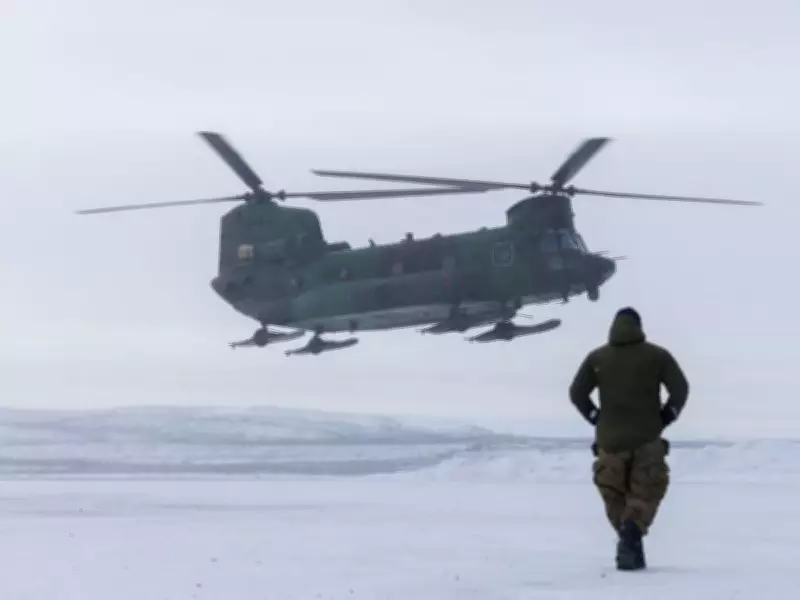
Parcels emphasizes that Canada needs to take this threat seriously, as China's activities could undermine Canadian control over its northern territories. The Canadian Armed Forces' annual Arctic training operations, such as Operation Nanook, highlight ongoing efforts to assert sovereignty, but experts argue that more robust measures are required to counter foreign encroachment.

Implications for Canadian Sovereignty and Security
The growing Chinese presence in the Arctic raises concerns about potential conflicts over resource extraction and maritime routes. As ice retreats, new shipping lanes like the Northwest Passage are opening, offering shorter trade routes that could be contested. Canada's ability to monitor and defend these areas is crucial to maintaining its sovereignty and preventing unauthorized access by foreign powers.
Parcels points out that China's Arctic ambitions are part of a broader pattern of global expansion, where it seeks to leverage economic influence to gain strategic advantages. This includes partnerships with other Arctic nations and investments in polar research, which could be used to advance military or intelligence objectives. Canada must enhance its Arctic capabilities, including surveillance, infrastructure, and international cooperation, to safeguard its interests.
Call to Action for Canadian Policy
To address these challenges, experts recommend several key actions:
- Strengthen Arctic Defense: Increase military presence and surveillance in the North to deter foreign incursions.
- Boost International Alliances: Collaborate with allies like the United States and other Arctic Council members to present a united front against external threats.
- Invest in Infrastructure: Develop ports, airfields, and communication networks to support sovereignty operations and economic development.
- Enhance Public Awareness: Educate Canadians about the importance of the Arctic and the risks posed by foreign interests.
As climate change accelerates, the Arctic's strategic significance will only grow, making it imperative for Canada to act decisively. Ignoring China's ambitions could lead to weakened sovereignty and lost opportunities in a region critical to Canada's future.