The Canada Infrastructure Bank (CIB) and Valley Fiber Ltd. have finalized a $165 million agreement to expand high-speed internet service in rural Manitoba. The CIB is providing a $26.9 million loan for the project, which will connect approximately 7,800 underserved households, including four First Nations communities.
Project Details and Infrastructure
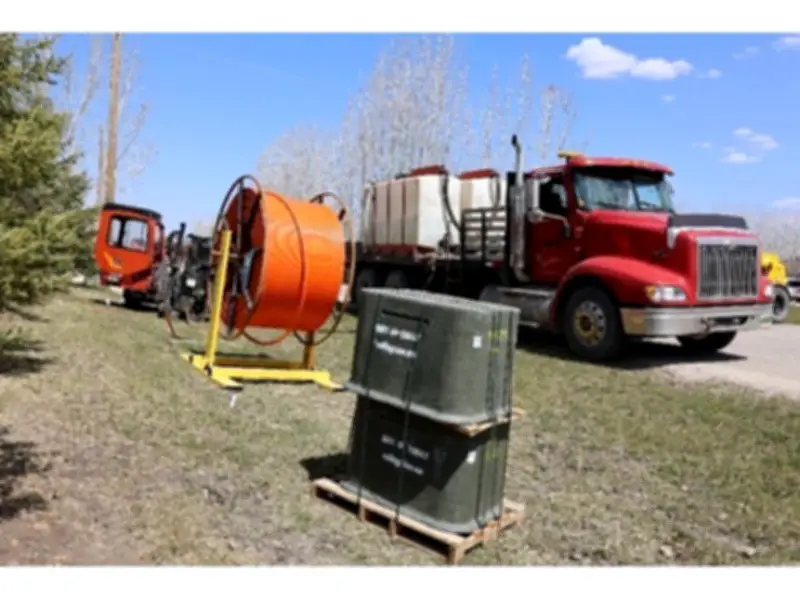
The initiative involves deploying 1,224 kilometres of fibre-optic cable to deliver dedicated fibre-to-the-home connections. The service will offer broadband speeds up to one gigabit per second, significantly enhancing telecommunications for residents, businesses, and public services. Valley Fiber will handle all construction, installation, operations, and maintenance.
Due to low population density and existing infrastructure gaps, the per-household connection cost in rural areas is high. The CIB’s financing enables faster and more affordable expansion, helping Indigenous and rural customers gain access comparable to urban counterparts.

Economic and Community Impact
During the construction phase, up to 800 jobs will be created within Valley Fiber. This partnership marks the second collaboration between the CIB and Valley Fiber to improve internet access in rural and remote Manitoba.
“The CIB’s loan towards this broadband project will help close the connectivity gap in rural communities and First Nations across Manitoba,” said Ehren Cory, CEO of the Canada Infrastructure Bank. “Through our partnership with Valley Fiber, we are supporting ways to increase connectivity and helping communities participate fully in Canada’s digital economy.”
“Strong connectivity is essential for communities to participate fully in today’s digital economy,” added Hon. Gregor Robertson, Minister of Housing and Infrastructure. “This project with Valley Fiber and the Canada Infrastructure Bank will help expand reliable internet access to rural, remote and Indigenous communities in northern Manitoba, opening the door to new opportunities and a better quality of life.”
Broader Context
Broadband service is critical for daily life, supporting small businesses, education, and staying connected with family and friends. The project includes last-mile infrastructure with underground fibre cables and networking equipment. This investment aims to address the connectivity gap and enable rural and Indigenous communities to benefit from the digital economy.