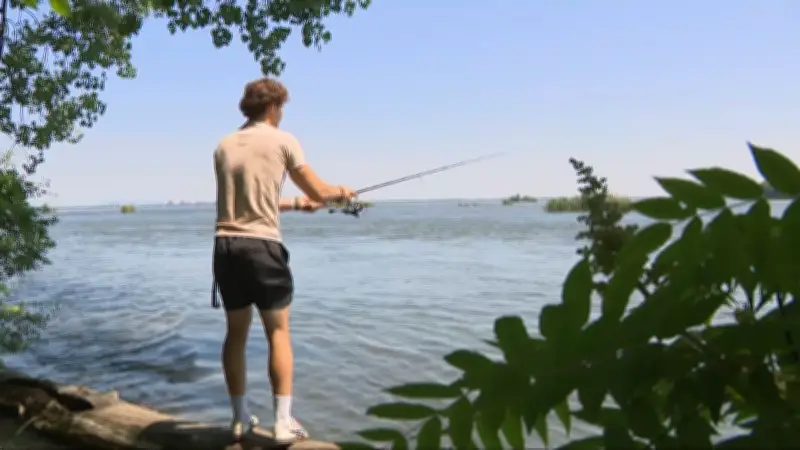
A new report has found that fish in the St. Lawrence River are contaminated with high levels of pollutants, including per- and polyfluoroalkyl substances (PFAS), commonly known as “forever chemicals.” The findings have left some experts deeply concerned about the potential environmental and health implications.
Report Details and Findings
The study, conducted by researchers from the University of Montreal and Environment Canada, analyzed fish samples from various locations along the St. Lawrence River. Results showed that concentrations of PFAS in some fish species exceeded safety thresholds for human consumption. According to the report, levels of PFOS, a type of PFAS, were found to be up to 50 times higher than recommended limits in certain fish.
“These are alarming numbers,” said Dr. Marie-Claude Fortin, lead author of the study. “PFAS are persistent in the environment and can accumulate in living organisms, posing risks to both wildlife and people who consume contaminated fish.”

Health and Environmental Concerns
PFAS are used in a wide range of consumer products, from non-stick cookware to waterproof clothing, and are known for their resistance to degradation. They have been linked to various health issues, including cancer, liver damage, and immune system effects. The presence of these chemicals in the St. Lawrence River highlights ongoing pollution challenges in one of Canada’s major waterways.
“The St. Lawrence River is a vital ecosystem and a source of food for many communities,” noted Dr. Jean-Pierre Desrosiers, an ecotoxicologist at the University of Quebec. “We need urgent action to reduce PFAS emissions and protect both the environment and public health.”
Regulatory and Policy Implications
The report has prompted calls for stricter regulations on PFAS discharges from industrial sources. Environment Canada has announced plans to review current guidelines and consider additional monitoring programs. Meanwhile, local fishing advisories may be updated to warn residents about the risks of consuming fish from certain areas.
“We are taking this report very seriously,” said a spokesperson for Environment Canada. “We will work with provincial and municipal partners to address the sources of contamination and ensure the safety of our waterways.”