Newfoundland and Labrador Exits National Marine Conservation Area Discussions
The Government of Newfoundland and Labrador has formally withdrawn from negotiations concerning the establishment of a national marine conservation area. This decision, announced in early February 2026, marks a significant shift in the province's approach to federal environmental initiatives and highlights ongoing tensions between provincial autonomy and national conservation goals.
Background and Provincial Concerns
The proposed marine conservation area, which had been under discussion for several years, aimed to protect ecologically sensitive marine habitats off the coast of Newfoundland and Labrador. However, provincial officials have expressed persistent concerns regarding the potential economic ramifications for local fisheries and the oil and gas sector. Additionally, there were unresolved questions about shared jurisdiction and management responsibilities between federal and provincial authorities.
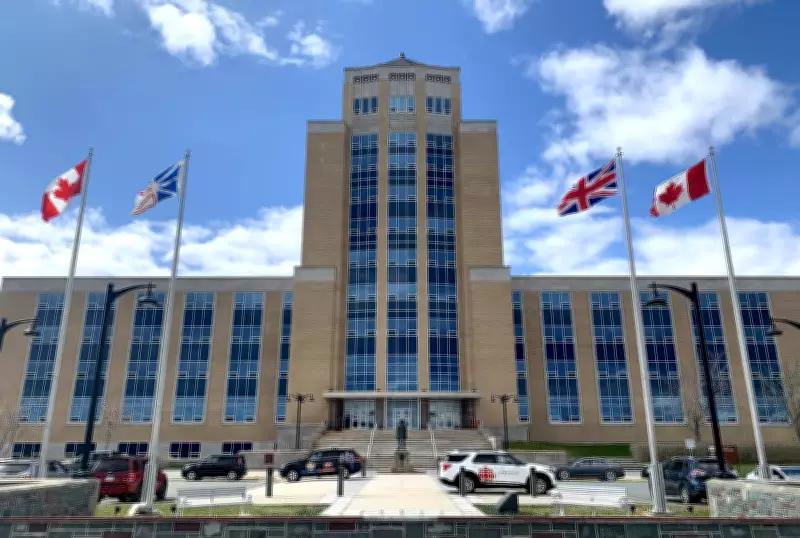
The provincial legislature building in St. John's, photographed in August 2021, serves as a symbolic backdrop to this decision, reflecting the seat of provincial power where such determinations are ultimately made. The withdrawal underscores a broader pattern of provinces asserting their rights in matters of natural resource management and environmental stewardship.

Implications for Conservation and Federal-Provincial Relations
This move by Newfoundland and Labrador could have far-reaching consequences for marine conservation efforts in Canada. National marine conservation areas are designed to safeguard biodiversity and promote sustainable use of ocean resources. The province's exit from talks may delay or alter the scope of such protections in the region, potentially affecting:
- Marine ecosystems that rely on designated protected areas for survival.
- Local industries, including fishing and tourism, that depend on healthy marine environments.
- Federal-provincial collaboration on future environmental projects.
Experts suggest that the decision reflects a cautious approach by the provincial government, prioritizing immediate economic interests over long-term conservation benefits. It also raises questions about the balance between environmental protection and economic development in Atlantic Canada.
Looking Ahead: Next Steps and Alternatives
While Newfoundland and Labrador has stepped back from the national framework, provincial officials have indicated a willingness to explore alternative conservation measures. These could include:
- Developing provincial marine protected areas with tailored regulations.
- Engaging in bilateral agreements with the federal government on specific conservation issues.
- Implementing industry-led sustainability initiatives to mitigate environmental impacts.
The withdrawal from national talks does not necessarily signal an end to conservation efforts in the province. Instead, it may pave the way for more localized and economically sensitive approaches to marine stewardship. However, the absence of a coordinated national strategy could complicate efforts to address transboundary environmental challenges, such as climate change and ocean pollution.
As discussions evolve, stakeholders from both environmental and industrial sectors will be closely monitoring the province's next moves. The decision highlights the complex interplay between conservation priorities and economic realities in Canada's coastal regions.