Survey Reveals Strong Nova Scotian Support for Increased Land Protection
A recent survey has uncovered that most residents of Nova Scotia are in favor of expanding the amount of protected land within the province. This finding underscores a growing public commitment to environmental conservation and sustainable land management practices.
Public Backing for Conservation Initiatives
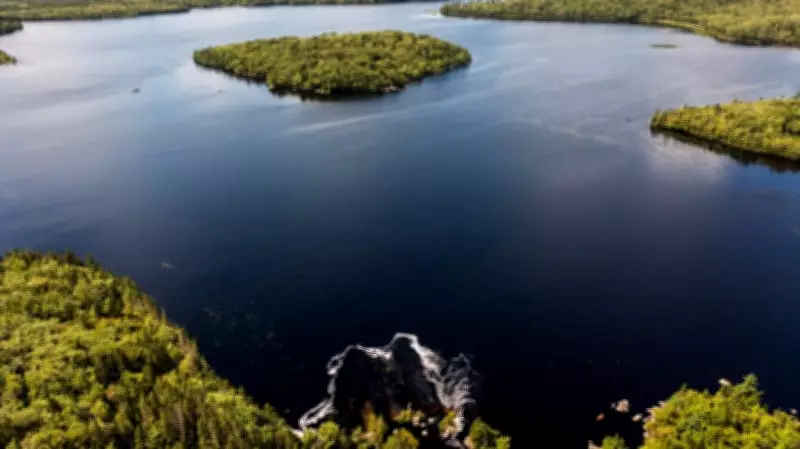
The survey, conducted in early 2026, highlights that a significant majority of Nova Scotians believe more land should be designated for protection. This sentiment aligns with ongoing conservation projects, such as the Archibald Lake Wilderness Area, which encompasses nearly 700 hectares of ecologically rich terrain.
This protected area includes old-growth forests, pristine lakes, and vital wetlands, featuring Archibald Lake, McDonald Lake, and Rocky Lake. These water bodies feed into Archibald Brook, a key tributary of the St. Mary's River, emphasizing the ecological importance of such conservation efforts.

Implications for Environmental Policy
The survey results suggest strong public support for government and non-profit initiatives aimed at preserving natural habitats. As climate change and urban development pressures intensify, this backing could influence future policy decisions regarding land use and environmental regulations in Nova Scotia.
Experts note that protected areas like the Archibald Lake Wilderness Area not only safeguard biodiversity but also provide recreational opportunities and contribute to climate resilience by maintaining carbon sinks and water quality.
Broader Context and Future Outlook
This survey comes at a time when conservation is increasingly prioritized in regional and national agendas. With Nova Scotians expressing clear support for expanded land protection, stakeholders may leverage this data to advocate for additional funding and legislative measures to enhance conservation efforts across the province.
The findings reinforce the importance of public engagement in environmental stewardship, suggesting that community-driven initiatives could play a pivotal role in shaping a sustainable future for Nova Scotia's natural landscapes.