Historical Flood Data Fails to Predict Future Risks in British Columbia
The most desirable regions of British Columbia are often located near rivers, lakes, and the Pacific Ocean, placing them at significant flood risk. The lower Fraser River, for instance, is a vast flood plain, with municipalities like Delta and Richmond built atop alluvial deltas formed by millennia of annual flooding. Notably, the western part of Richmond remained submerged until just a few thousand years ago.
Outdated Infrastructure and Funding Gaps
For over a century, homes, farms, businesses, and public buildings have been constructed on these flood plains. Dikes were typically erected in response to past flooding events, but many are now abandoned or "orphaned," as municipalities struggle with maintenance costs and lack funding commitments from higher levels of government.
Flood risk assessments, such as the "100-year flood standard," rely on approximately 150 years of data and past weather patterns. However, it is only a matter of time before another major Fraser River flood occurs, comparable to the devastating events of 1948 or 1984. Historical maps from the 1894 flood reveal dramatic inundation areas, suggesting that such events may no longer represent the worst-case scenarios.

Climate Change Exacerbates Flooding Threats
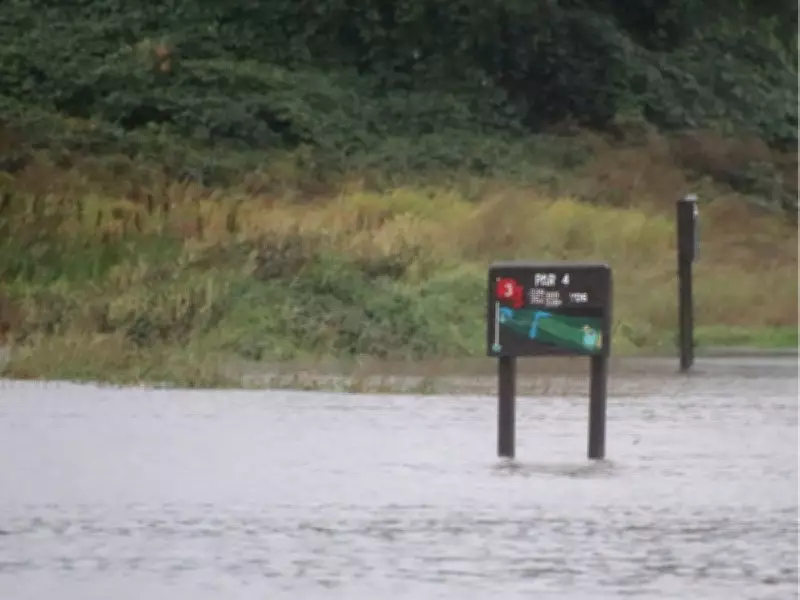
As mutual fund advertisements caution, "past performance is not indicative of future results." Similarly, past flood data underestimates the risks associated with future flooding events. Climate change is intensifying these threats, with increased atmospheric heat evaporating more ocean water and leading to larger atmospheric rivers. Consequently, the risk and magnitude of future flooding events are rising significantly.
Flooding mitigation plans are only effective if they are implemented, yet current strategies often fall short. Without proactive measures, communities remain vulnerable to escalating environmental challenges.
Additional Letters to the Editor
Pausing Non-Profit Housing is Short-Sighted
In response to the 2026 B.C. budget turning its back on housing, one reader argues that now is not the time to pause housing initiatives. As homelessness reaches shocking levels, the B.C. NDP's decision to wind down rent supplement programs and halt non-profit housing projects is criticized as short-sighted. The letter highlights thousands living in unstable conditions, such as renting rooms from strangers, residing in cars or RVs, or overcrowded housing, warning that this move exacerbates an already dire situation.
Fiscal Restraint and Social Benefits
Another letter addresses B.C.'s credit rating downgrade after a record deficit projection, arguing that increased fiscal restraint does not necessarily translate into superior social and economic benefits. Drawing parallels to the Great Depression and post-World War II prosperity, the writer emphasizes that true fiscal responsibility should focus on investments in infrastructure, social programs, and employment, rather than merely satisfying credit agencies. As conservative statesman Edmund Burke noted, "Mere parsimony is not economy."