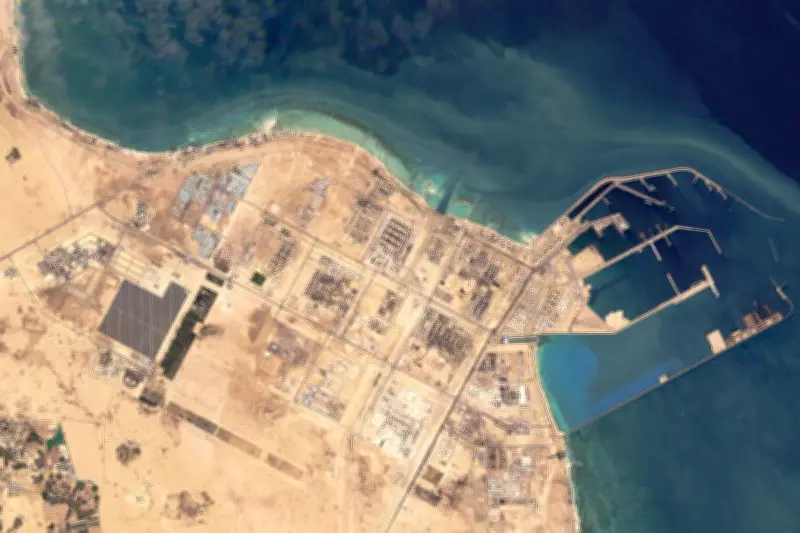
An explosion at a gas export terminal in Qatar killed at least 13 people, officials confirmed on June 22, 2026. The blast occurred at the Ras Laffan facility, one of the world's largest liquefied natural gas (LNG) export terminals, located about 80 kilometers north of Doha.
Details of the Incident
The explosion happened in the early hours of the morning, causing a massive fire that took several hours to bring under control. Emergency services responded quickly, and the area was evacuated. The cause of the blast is under investigation, but early reports suggest it may have been triggered by a gas leak.
Qatar's state-owned energy company, QatarEnergy, confirmed the death toll and expressed condolences to the families of the victims. The company said it is working with authorities to determine the cause and prevent future incidents.

Impact on Global Energy Markets
The Ras Laffan terminal is a critical hub for global LNG supplies, handling about 77 million tonnes per year. The blast has raised concerns about potential disruptions to LNG exports, which could affect energy markets worldwide. Qatar is one of the world's top LNG exporters, and any prolonged shutdown could tighten global supplies.
According to energy analysts, the incident may lead to short-term price volatility in natural gas markets, especially in Asia and Europe, which rely heavily on Qatari LNG. However, QatarEnergy has assured that other terminals are operating normally to meet contractual obligations.
Safety and Regulatory Response
The blast has prompted calls for a review of safety protocols at industrial facilities in Qatar. The country's Ministry of Energy and Industry announced it will conduct a full investigation and implement stricter safety measures. The incident also highlights the risks associated with LNG infrastructure, which has a strong safety record but can be catastrophic when accidents occur.
“This is a tragic event that underscores the importance of rigorous safety standards in the energy sector,” said a spokesperson for QatarEnergy. “We are committed to learning from this incident and ensuring the safety of our workers and facilities.”
Previous Incidents and Industry Context
While major accidents at LNG terminals are rare, they have occurred in the past. In 2022, a fire at the Freeport LNG plant in Texas caused significant production disruptions. The Qatar blast is one of the deadliest at an LNG facility in recent years.
The global LNG industry has been expanding rapidly to meet growing demand, particularly as countries shift away from coal and oil. Qatar is investing heavily in expanding its LNG capacity, with plans to increase production to 126 million tonnes per year by 2027. The blast may prompt a reassessment of safety protocols in the industry.