The Quebec government has announced a $44 million investment to protect and restore Lac Saint-Pierre, a UNESCO World Biosphere Reserve located northeast of Montreal. The funding, part of the province's 2026 budget, aims to combat invasive species, improve water quality, and restore natural habitats in the lake and its surrounding wetlands.
Funding details and objectives
Environment Minister Benoit Charette confirmed the allocation on Friday, stating that the money will be distributed over five years. "Lac Saint-Pierre is a jewel of Quebec's biodiversity, but it faces serious threats from human activity and climate change," Charette said. "This investment will allow us to take concrete action to preserve it for future generations."
The funds will support projects such as replanting native vegetation along shorelines, reducing agricultural runoff, and controlling the spread of invasive species like the emerald ash borer and zebra mussels. Approximately $10 million is earmarked for direct restoration work, while the remainder will go to research, monitoring, and community engagement initiatives.

Ecological significance
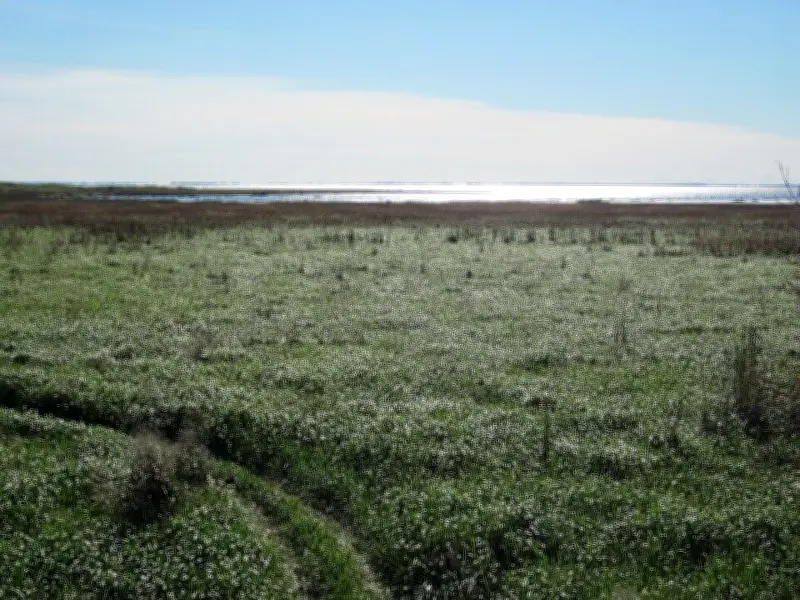
Lac Saint-Pierre is a shallow, fluvial lake on the St. Lawrence River, spanning about 350 square kilometers. It is a critical stopover for migratory birds along the Atlantic Flyway and hosts over 280 bird species, 80 fish species, and numerous rare plants. The lake and its marshes also act as natural water filters, trapping sediments and pollutants before they reach the St. Lawrence River.
According to the Quebec Ministry of Environment, the lake has lost nearly 30% of its wetlands since the 1970s due to agricultural expansion, urban development, and altered water levels from climate change. Invasive species have further degraded the ecosystem, threatening native flora and fauna.
Local and indigenous involvement
The restoration plan includes partnerships with local municipalities, conservation groups, and Indigenous communities, particularly the Abenaki and Mohawk nations who have traditional ties to the area. "Indigenous knowledge is essential for understanding the lake's long-term health," said Grand Chief Ghislain Picard of the Assembly of First Nations Quebec-Labrador. "We look forward to collaborating on this project."
Local mayors welcomed the funding. "Lac Saint-Pierre is the heart of our region," said Suzanne Roy, mayor of Sainte-Anne-de-Sorel, a town on the lake's shores. "This investment shows the government recognizes its importance for tourism, fishing, and our way of life."
Broader environmental context
The announcement comes as Quebec intensifies efforts to meet its 2030 biodiversity targets. In 2024, the province pledged to protect 30% of its land and freshwater by 2030. Lac Saint-Pierre's restoration is a key part of that commitment, as it is one of the most biodiverse areas in southern Quebec.
Environmental groups praised the funding but urged caution. "This is a positive step, but we need to ensure the money is spent effectively and not just on studies," said Karel Mayrand, director of the David Suzuki Foundation's Quebec office. "Lac Saint-Pierre needs urgent action, not more paperwork."