Japan's Sakurajima Volcano Erupts, Sending Ash Plumes 3.4 Kilometers High
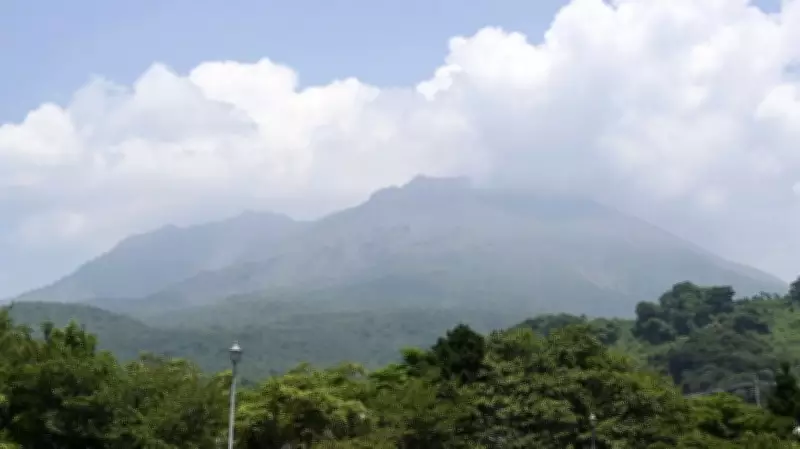
The Sakurajima volcano, located on the southern Japanese island of Kyushu, has erupted, sending towering plumes of volcanic ash soaring an impressive 3.4 kilometers into the atmosphere. This significant geological event underscores the persistent and powerful volcanic activity characteristic of this region.
Details of the Eruption
According to reports, the eruption produced a dense column of ash that rapidly ascended to a height of approximately 3.4 kilometers, or over 11,000 feet. The ash plume was visible from surrounding areas, creating a dramatic spectacle and raising immediate concerns for air travel and local air quality. Sakurajima is one of Japan's most active volcanoes, frequently experiencing smaller eruptions, but this event stands out due to the substantial altitude reached by the ash.
The volcano is situated near Kagoshima city, a populated area that has developed extensive monitoring and evacuation protocols due to the volcano's history. Residents in nearby towns are accustomed to such activity, though eruptions of this magnitude always prompt heightened vigilance from authorities.

Historical Context and Monitoring
Sakurajima has a long history of eruptions, with records dating back centuries. It is considered a stratovolcano, known for its explosive eruptions and potential to produce pyroclastic flows. The Japanese Meteorological Agency maintains constant surveillance on Sakurajima, utilizing seismic sensors, cameras, and satellite data to predict and assess volcanic activity.
This latest eruption serves as a reminder of the dynamic and sometimes hazardous natural forces at play in volcanic regions. While there have been no immediate reports of major damage or injuries from this specific event, the ash fall can disrupt daily life, affecting transportation, agriculture, and respiratory health.
Environmental and Safety Implications
Volcanic ash poses multiple risks. It can:
- Damage aircraft engines, leading to flight cancellations and diversions.
- Coat roads and buildings, reducing visibility and creating slippery conditions.
- Impact air quality, potentially causing respiratory issues for vulnerable populations.
- Affect local ecosystems and water sources.
Authorities in Kagoshima Prefecture are likely issuing advisories regarding ash fall and air quality, urging residents to take precautions such as wearing masks and staying indoors when ash concentrations are high. The eruption also highlights the importance of robust disaster preparedness in volcanically active areas.
As monitoring continues, scientists will analyze the eruption's data to better understand its characteristics and any potential for follow-up activity. The event adds to the global record of volcanic phenomena, emphasizing the need for ongoing research and international cooperation in volcanology and disaster risk reduction.