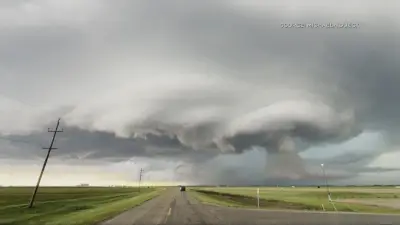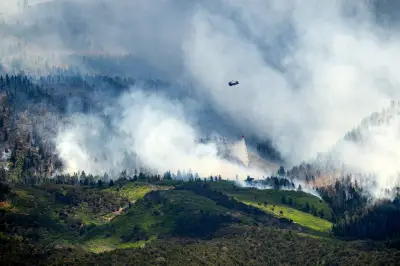
Sandy Hook, Manitoba, experienced its wettest June on record this year, with resident Elaine Bahuaud measuring six inches of rain in her gauge on June 10, 2026. The unprecedented rainfall has raised concerns about flooding and infrastructure strain in the community.
Record-breaking rainfall in Sandy Hook
Bahuaud, a longtime resident, reported that the six-inch reading on June 10 was the highest she had ever recorded for the month of June. The previous record for the area was not immediately available, but the figure underscores the severity of this year's precipitation.
The heavy rains contributed to widespread flooding across Manitoba, with 13 Saskatchewan communities also declaring emergencies due to similar conditions. In Ottawa, 118 mm of rain led to 1,900 basements being flooded, highlighting the regional impact of the storms.

Impact on communities and infrastructure
The excessive rainfall has caused significant disruption. In Winnipeg, residents questioned the lack of a tornado alert after a storm hit their neighbourhood. Meanwhile, a workplace accident in northern Manitoba resulted in a fatality, and crews responded to emergencies in multiple Saskatchewan communities.
According to Environment Canada, the June rainfall in Sandy Hook was part of a broader pattern of extreme weather across the prairies. The agency noted that climate change is increasing the frequency and intensity of such events.
Residents adapt to new normal
Bahuaud said she has lived in Sandy Hook for decades and has never seen such a wet June. She added that her garden was waterlogged and that local roads were damaged by the runoff. The community is now assessing the long-term effects on agriculture and property.
Local officials have urged residents to report any damage and to prepare for potential further storms as the summer progresses. The record rainfall serves as a stark reminder of the challenges posed by a changing climate.