Ancient DNA Retrieved from Cave Sediments
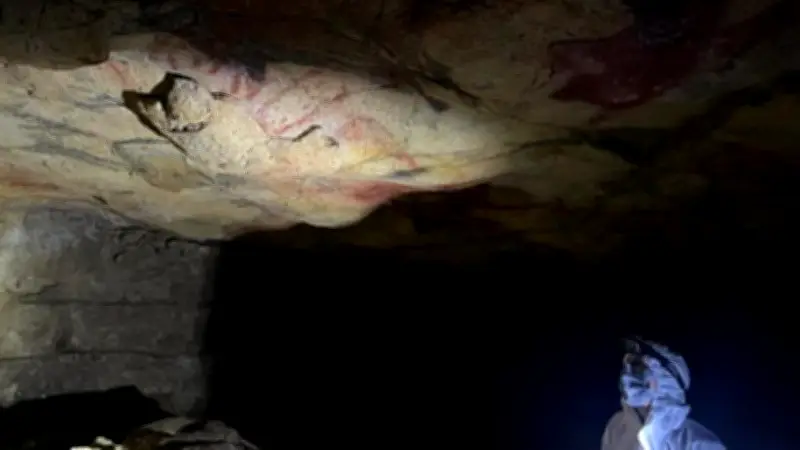
In a groundbreaking study, scientists have successfully extracted 2,000-year-old human DNA from cave walls, opening new avenues for archaeological research. The research, published in a peer-reviewed journal, analyzed pigment samples from the polychrome ceiling of Altamira cave in Spain, a UNESCO World Heritage site known for its prehistoric art.
Methodology and Findings
The team, led by Matthias Meyer of the Max Planck Institute for Evolutionary Anthropology, used advanced DNA sequencing techniques to isolate human genetic material from the cave sediments. The samples contained mitochondrial DNA, which is inherited maternally, providing clues about the individuals who inhabited or visited the cave. The study demonstrates that human DNA can survive on cave walls for millennia, even in the absence of skeletal remains.
Implications for Archaeology
This technique could revolutionize the study of ancient human populations, especially in sites where bones are scarce or degraded. According to the researchers, the DNA likely came from skin cells, sweat, or respiratory droplets left behind by ancient humans. The findings suggest that caves may preserve genetic material from multiple individuals over time, offering a rich record of human occupation.

Challenges and Future Directions
Contamination remains a major challenge, as modern human DNA can easily mask ancient signals. The team employed strict protocols to minimize contamination, including working in clean rooms and using sterile equipment. Future studies aim to sequence nuclear DNA, which provides more detailed genetic information, and to apply the method to other caves with prehistoric art.