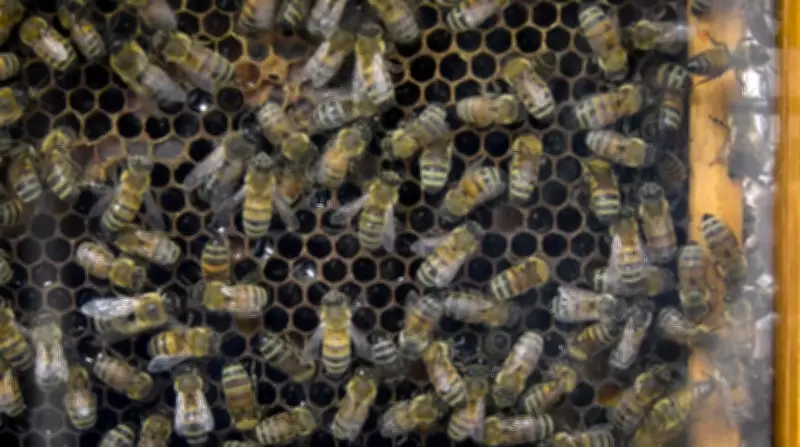
The University of Guelph officially opened the new Luckevich Pinchin Honey Bee Research Centre on June 25, 2026, marking a significant expansion of pollinator research capabilities. The facility, located on campus, is designed to advance studies on honey bee health, colony collapse disorder, and the role of pollinators in agricultural ecosystems.
State-of-the-Art Facility for Bee Research
The centre features advanced laboratories, observation hives, and outdoor apiaries that allow researchers to study bee behavior, disease resistance, and environmental impacts in controlled settings. According to university officials, the facility will support collaborative projects with government agencies, industry partners, and other academic institutions.
“This centre represents a major investment in understanding and protecting pollinators, which are critical to global food security,” said Dr. Sarah Johnson, director of the new research centre. “We are already planning studies on the effects of pesticides, climate change, and habitat loss on bee populations.”

Expanding Research Capacity
The University of Guelph has long been a leader in apiculture research, but the new centre triples the space available for bee-related studies. The facility includes climate-controlled rooms for year-round experiments and a dedicated area for breeding disease-resistant bee strains.
“We expect to increase our research output by 50 percent within the first two years,” added Dr. Johnson. “This will allow us to train more graduate students and provide faster answers to beekeepers facing challenges.”
Addressing Declining Bee Populations
Honey bee populations have been declining globally due to factors such as pesticide exposure, parasites like the Varroa mite, and habitat fragmentation. The new centre aims to develop practical solutions for beekeepers, including integrated pest management strategies and improved nutrition protocols.
“The loss of bees threatens not only honey production but also the pollination of fruits, vegetables, and nuts worth billions of dollars annually,” noted Dr. Mark Thompson, a professor of entomology at the university. “This centre will help us mitigate those risks.”
Community and Industry Collaboration
The centre is named after donors Luckevich and Pinchin, whose contributions funded the construction. It will host workshops for local beekeepers and public education events to raise awareness about pollinator conservation.
“We want to bridge the gap between research and practice,” said Dr. Johnson. “Beekeepers will have direct access to our findings, and we will incorporate their feedback into our research priorities.”