Elk Island National Park Sends 44 Wood Bison to Alaska in Major Conservation Move
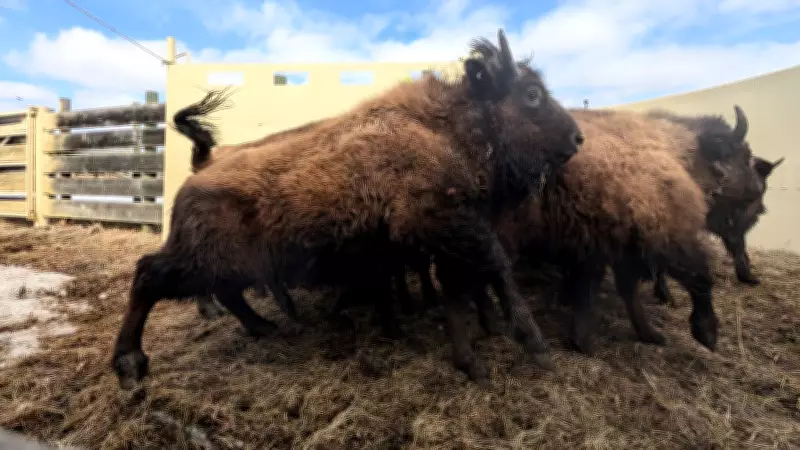
In a landmark effort to enhance wildlife conservation and genetic diversity, 44 wood bison have been transferred from Elk Island National Park in Alberta to Alaska. This strategic relocation, announced on April 13, 2026, represents a critical step in preserving this iconic North American species, which has faced historical declines due to habitat loss and overhunting.
Details of the Bison Transfer
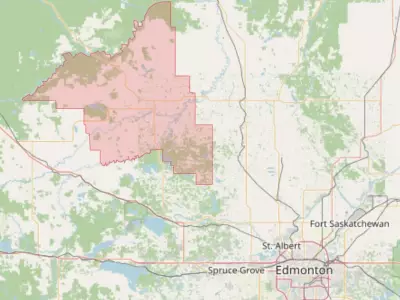
The wood bison, known for their larger size and distinctive hump compared to plains bison, were carefully selected from Elk Island's robust herd. Parks Canada, which manages the park, oversaw the operation to ensure the animals' health and safety during transport. Elk Island National Park has long served as a sanctuary for wood bison, playing a pivotal role in recovery programs since the early 20th century.
This transfer aims to strengthen Alaskan bison populations, which have been reintroduced in recent decades but remain vulnerable to genetic bottlenecks. By introducing new individuals from Elk Island, conservationists hope to boost genetic variability, improving the herd's resilience to diseases and environmental changes.

Conservation Significance and Broader Context
Wood bison are listed as a threatened species under Canada's Species at Risk Act, with wild populations primarily found in northern Canada and Alaska. The relocation aligns with international conservation agreements and supports biodiversity goals. Elk Island's herd is renowned for its genetic purity, making it an ideal source for such initiatives, as it has been isolated from cattle genes that have affected other bison groups.
This move comes amid growing environmental challenges, including climate change impacts on Arctic and subarctic habitats where wood bison thrive. Conservation experts emphasize that such transfers are essential for maintaining ecological balance and preventing species extinction.
Impact on Local and Regional Ecosystems
The introduction of these bison to Alaska is expected to have positive ripple effects on local ecosystems. As keystone species, wood bison influence vegetation patterns through grazing, create habitats for other wildlife, and contribute to nutrient cycling. Their presence can help restore natural landscapes in areas where they have been historically absent.
Parks Canada and Alaskan wildlife authorities will monitor the transferred bison closely, tracking their adaptation and health. This collaboration underscores the importance of cross-border efforts in wildlife management, setting a precedent for future conservation projects.
In summary, the transfer of 44 wood bison from Elk Island National Park to Alaska marks a proactive step in safeguarding a threatened species. It highlights the ongoing commitment to conservation science and international cooperation, ensuring that these majestic animals continue to roam North America's wild spaces for generations to come.