British Columbia experienced a significant heat event on May 4, 2026, with multiple temperature records falling across the province. The unseasonably warm weather has heightened concerns about wildfire risks, as dry conditions persist in many regions.
Record-Breaking Temperatures
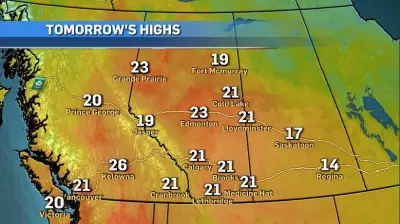
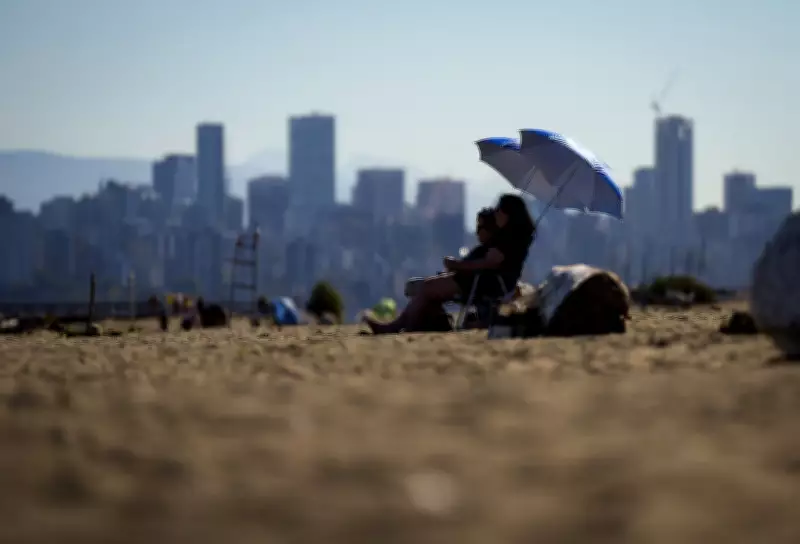
Communities from the coast to the interior reported temperatures well above seasonal norms. In Vancouver, the mercury hit 28°C, surpassing the previous record for this date. Similar trends were observed in Victoria, Kamloops, and Prince George, where thermometers climbed into the low 30s.
Environment Canada confirmed that several long-standing records were broken, with some areas experiencing temperatures 10 to 15 degrees above average. The heat is expected to continue through the week, with little relief in sight.

Wildfire Concerns Intensify
The heat wave comes at a precarious time, as the province's wildfire season has already begun. Dry fuels and low humidity levels have created favorable conditions for fire ignition and spread. The BC Wildfire Service has reported an uptick in fire activity, particularly in the southern interior.
Officials urge residents to exercise caution and adhere to fire bans. Campfires and other open flames are prohibited in many areas. The combination of heat, wind, and dry vegetation poses a significant threat, especially in regions with recent drought conditions.
Public Health Advisories
Health authorities have issued warnings about heat-related illnesses, advising people to stay hydrated, avoid strenuous outdoor activities during peak hours, and check on vulnerable individuals. Cooling centers have been opened in several cities to provide relief.
Dr. Sarah Thompson, a public health official, emphasized the importance of preparedness: "We are seeing more frequent and intense heat events due to climate change. It is crucial that communities have plans in place to protect residents, especially the elderly and those with pre-existing conditions."
Climate Change Link
Scientists point to climate change as a key driver of these extreme weather patterns. Warmer global temperatures increase the likelihood of heat waves and exacerbate drought conditions, creating a feedback loop that fuels wildfires.
"The evidence is clear: human-induced climate change is making heat waves hotter and more common," said Dr. Michael Chen, a climatologist at the University of British Columbia. "This trend is expected to continue, with profound implications for ecosystems, agriculture, and public safety."
Looking Ahead
As the heat persists, authorities are monitoring both the immediate health impacts and the longer-term wildfire risk. The province has allocated additional resources to firefighting efforts and is urging communities to develop emergency plans.
Residents are encouraged to stay informed through official channels and to take proactive measures to reduce fire hazards around their properties. The coming days will be critical in determining the severity of the wildfire season.