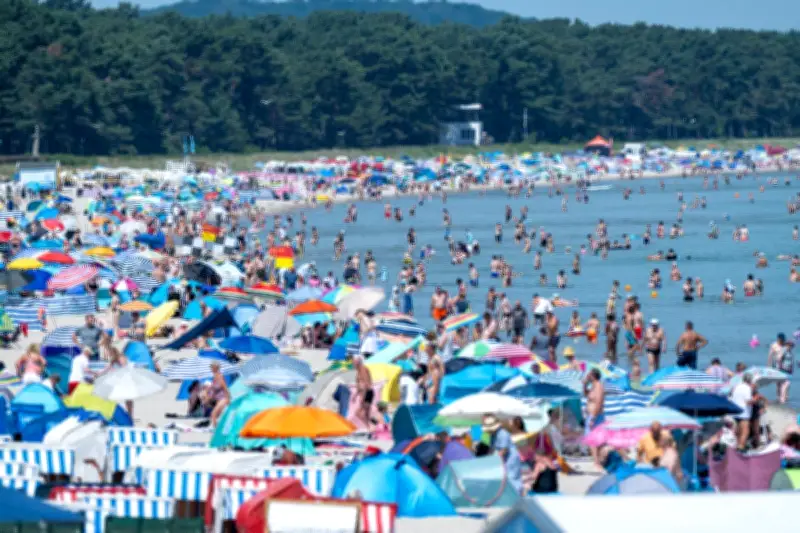
Europe Scorches Under Record Heat Wave
A severe heat wave is gripping Europe, causing buckling highways, red alerts, and a surge in medical emergencies. Temperatures have soared above 40°C (104°F) in several countries, with Germany, France, and Spain among the hardest hit. Authorities have issued red alerts, the highest warning level, urging people to stay indoors and avoid strenuous activity.
Infrastructure Under Strain
In Germany, sections of highway have buckled due to the extreme heat, forcing closures and repairs. The A9 near Munich and the A3 near Frankfurt have been particularly affected. Train services have also been disrupted, with speed restrictions imposed to prevent track deformation. Deutsche Bahn reported that rail temperatures reached up to 60°C, requiring reduced speeds to avoid accidents.
Health Emergency Surge
Hospitals across Europe are reporting a sharp increase in heat-related illnesses. In France, emergency services have seen a 30% rise in calls for heatstroke, dehydration, and respiratory issues. In Spain, at least five deaths have been attributed to the heat wave, according to the Spanish Meteorological Agency. In Italy, the health ministry has activated emergency protocols for vulnerable populations, including the elderly and those with pre-existing conditions.

Red Alerts and Government Response
Several countries have declared red alerts, including Germany, France, Spain, and Italy. The European Union has activated its Civil Protection Mechanism to coordinate response efforts. In France, the government has opened cooling centers and extended public pool hours. In Germany, emergency services are distributing water and providing transport to cooling stations.
Impact on Daily Life
The heat wave has disrupted daily life across the continent. Schools in parts of France and Spain have closed or reduced hours. Outdoor events, including concerts and sports matches, have been canceled. The Tour de France organizers have shortened stages and provided extra water stations. Farmers are reporting crop damage, with wheat and grape harvests expected to be significantly reduced.
Climate Change Link
Scientists attribute the heat wave to climate change, noting that such extreme events are becoming more frequent and intense. According to the World Meteorological Organization, Europe's average temperature has risen by 2°C since the pre-industrial era, making heat waves like this one more likely. The European Environment Agency warns that without significant emissions reductions, such events could become annual occurrences by 2050.
Looking Ahead
Forecasters expect the heat wave to continue for at least another week, with temperatures remaining above 35°C in many areas. Authorities are urging residents to stay hydrated, avoid sun exposure during peak hours, and check on vulnerable neighbors. The European Commission has announced emergency funding for heat-affected regions, and member states are coordinating to share resources and expertise.