In a remarkable display of self-determination, the remote Inuit community of Inukjuak in Nunavik has successfully built its own energy system, overcoming significant geographical, financial, and logistical hurdles. The project, spearheaded by Pituvik Sarvaq Energie Inc. and its director Eric Atagotaaluk, represents a groundbreaking achievement in energy sovereignty for northern Indigenous communities.
A Vision Born of Necessity
Inukjuak, like many remote communities in Canada's North, has long been dependent on diesel generators for electricity, a costly and environmentally damaging solution. The idea of creating a local energy system emerged from the community's desire for reliability, sustainability, and control over their energy future.
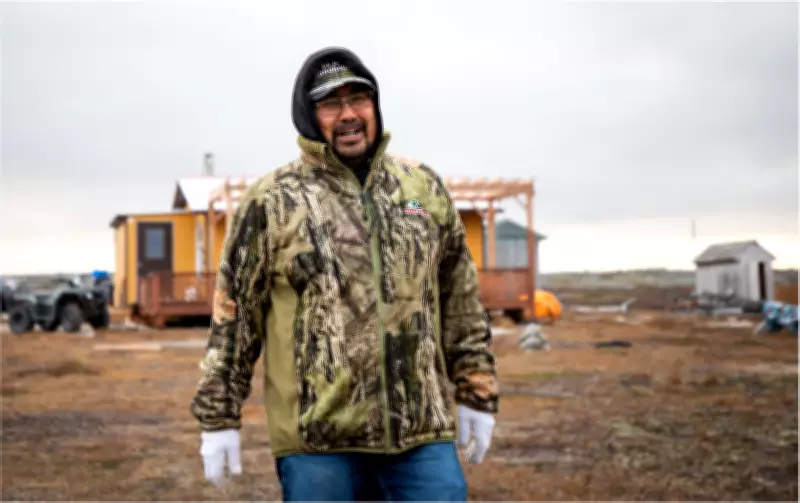
Eric Atagotaaluk, who also takes time to hunt and connect with the land, emphasizes that the project was driven by the community's needs. "We wanted to ensure that our people have access to affordable and clean energy, no matter the challenges," he said.

Overcoming the Odds
The construction of the energy system faced numerous obstacles. The harsh Arctic climate, limited transportation infrastructure, and high costs of materials and labor all posed significant threats. However, the community's determination never wavered. Through partnerships with government agencies, private investors, and technical experts, Inukjuak managed to secure the necessary resources.
Technical Innovations
The system incorporates a mix of renewable energy sources, including solar panels, wind turbines, and battery storage, tailored to the region's unique conditions. This hybrid approach ensures a stable power supply even during the long winter months when sunlight is scarce. The community also implemented smart grid technology to optimize energy distribution and reduce waste.
Community Empowerment
Beyond the technical achievements, the project has had profound social and economic impacts. Local residents were trained to operate and maintain the system, creating skilled jobs and fostering a sense of ownership. The energy savings are being reinvested into community programs, from education to healthcare.
"This is more than just power lines and turbines; it's about taking control of our future," Atagotaaluk added. "We are showing that Indigenous communities can lead the way in sustainable development."
A Model for the North
Inukjuak's success has attracted attention from other northern communities facing similar challenges. The project's blueprint is being studied as a potential model for energy independence across the Arctic. Experts highlight that while each community has unique circumstances, the core principles of community engagement, technological adaptability, and strong leadership are universally applicable.
Challenges Ahead
Despite the achievements, maintaining the system requires ongoing investment and expertise. Climate change also poses new risks, such as permafrost thaw affecting infrastructure. However, the community remains resilient, with plans to expand the system and integrate more renewable sources in the future.
Inukjuak's journey from diesel dependency to energy sovereignty is a testament to the power of collective action and innovation. It proves that even the most remote communities can harness their resources and determination to build a sustainable future.