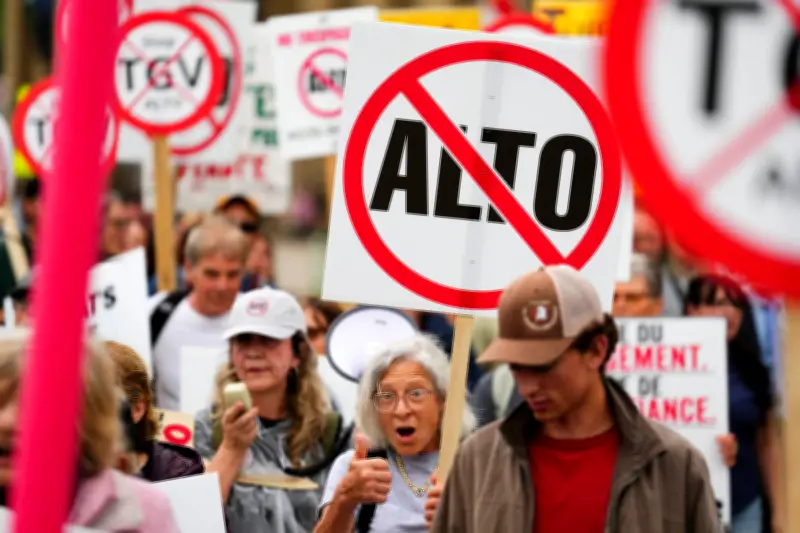
Farmers and rural residents across Ontario are raising significant concerns about the multi-billion-dollar Alto high-speed rail project, which aims to connect major cities but threatens to disrupt agricultural land and rural communities.
Project Overview and Concerns
The Alto project, a high-speed rail line linking Toronto, Ottawa, and Windsor, has been touted as a transformative infrastructure initiative. However, many farmers argue that the route cuts through prime farmland, potentially affecting food production and local economies. According to the Ontario Federation of Agriculture, the project could impact thousands of acres of agricultural land, raising questions about compensation and long-term viability.
Economic and Environmental Impact
Proponents highlight the rail's potential to reduce travel times and greenhouse gas emissions, with estimates suggesting a 30% cut in car trips along the corridor. Yet, rural residents fear increased noise, property fragmentation, and disruption to wildlife habitats. A spokesperson for the Ontario government stated, "We are committed to balancing economic growth with environmental stewardship."

Community Response and Next Steps
Public consultations have drawn hundreds of attendees, with many demanding route adjustments. "Our land is our livelihood," said one farmer quoted in the article. The government plans to release an environmental assessment later this year, with construction expected to begin in 2028.