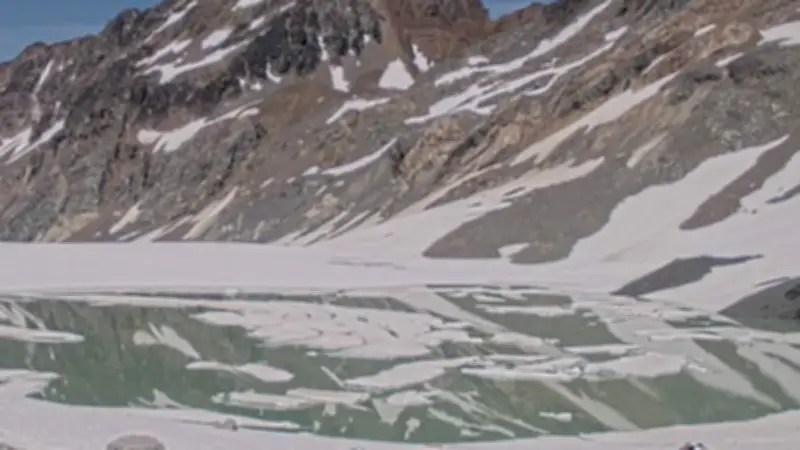
Flooding from a burst glacial lake in British Columbia's Squamish-Lillooet Regional District is expected to peak as an evacuation order remains in effect, according to officials. The Place Glacier lake outburst, which began earlier this week, has prompted warnings of hazardous debris flows in Place Creek and downstream waterways.
Ongoing Hazard Assessment
The Squamish-Lillooet Regional District (SLRD) reported that the glacial lake outburst is ongoing, with debris flows posing significant risks to nearby communities. Emergency services are monitoring the situation closely, and residents in affected areas have been ordered to evacuate until further notice. The SLRD emphasized that the event is natural but unpredictable, urging caution.
Impact on Local Waterways
Place Creek, a primary channel for meltwater from Place Glacier, is expected to see elevated water levels and fast-moving debris, including mud, rocks, and trees. Downstream waterways in the region may also experience sudden flooding. The SLRD has advised against any travel near these areas and warned of potential damage to infrastructure.

According to the SLRD, the peak flow is anticipated within the next 24 hours, though conditions could change rapidly. No injuries or property damage have been reported so far, but authorities remain on high alert.
Evacuation and Safety Measures
An evacuation order covers several properties in the vicinity of Place Creek, with emergency shelters set up for displaced residents. The SLRD is coordinating with provincial emergency management teams to ensure public safety. Residents are advised to follow official updates and avoid complacency as the situation evolves.
“We are taking this very seriously,” said an SLRD official in a statement. “The debris flows can be extremely dangerous, and we urge everyone in the evacuation zone to leave immediately.”
Broader Context of Glacial Flooding
Glacial lake outburst floods are becoming more common in British Columbia due to warming temperatures, which accelerate glacier melt. Place Glacier, located in the Coast Mountains, has been retreating for decades, increasing the risk of such events. Scientists warn that climate change will likely lead to more frequent and intense outbursts in the future.