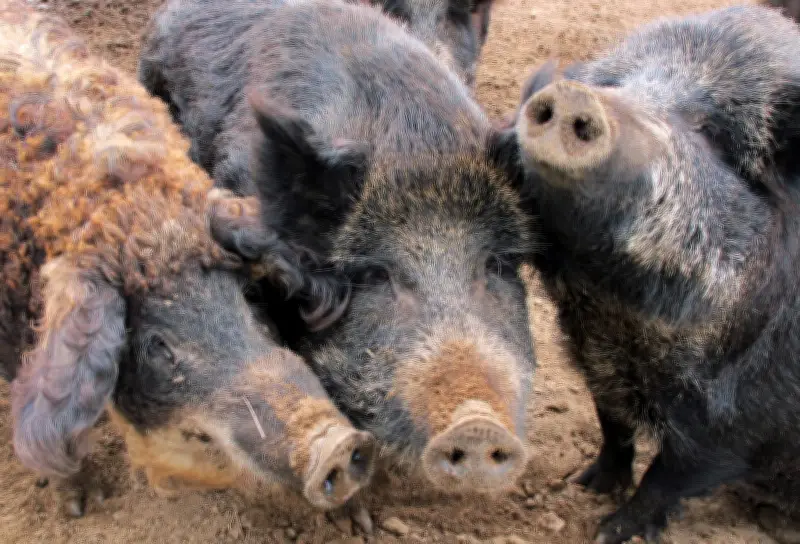
Ontario is using drones equipped with thermal cameras to locate and track invasive wild pigs, a growing threat to agriculture, ecosystems, and public safety. The technology allows officials to detect the animals even in dense vegetation or at night, when they are most active.
Why Invasive Wild Pigs Are a Problem
Wild pigs, also known as feral hogs or Eurasian boar, are not native to Ontario. They cause extensive damage by rooting up crops, contaminating water sources, and preying on small animals. They also carry diseases such as African swine fever, which could devastate the province's pork industry. According to the Ontario Ministry of Natural Resources and Forestry, a single sow can produce up to 12 piglets per litter and breed twice a year, making populations difficult to control.
How Drones with Thermal Cameras Work
The drones fly over suspected habitats, using thermal imaging to detect the heat signatures of wild pigs. This method is more effective than ground surveys, especially in forests or farmland with limited visibility. Once located, officials can deploy traps or culling teams. The program is part of a broader strategy to prevent the pigs from establishing a permanent foothold in Ontario.

Impact on Agriculture and Environment
Invasive wild pigs already cost the United States an estimated $2.5 billion annually in damages and control efforts. Ontario hopes to avoid similar losses by acting early. The Canadian Pork Council has expressed support for the drone program, noting that early detection is key to preventing the spread of diseases like African swine fever. Environmental groups also back the initiative, as wild pigs threaten native species and disrupt ecosystems.
Challenges and Future Steps
Tracking wild pigs remains difficult because they are highly intelligent and nocturnal. The drones can cover large areas quickly, but bad weather and thick canopy can limit their effectiveness. Officials are also exploring the use of ground sensors and DNA sampling to complement aerial surveillance. Public reporting of sightings is encouraged through the Invading Species Hotline.