The United States Department of Agriculture (USDA) has confirmed two additional cases of Texas screwworm infections in animals located far apart, signaling a potential expansion of the parasitic threat. The announcement, made on June 8, 2026, underscores ongoing efforts to monitor and contain the flesh-eating larvae that pose a serious risk to livestock and wildlife.
Details of the New Infections
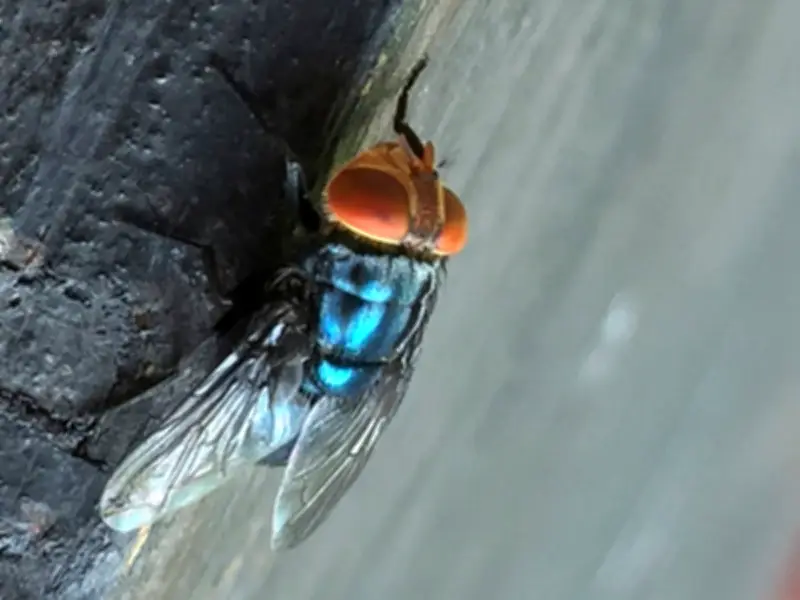
The USDA did not disclose specific locations but emphasized that the two cases were geographically distant, suggesting that the screwworm may be spreading beyond previously affected zones. The infections were detected through routine surveillance programs designed to catch outbreaks early. Texas screwworm, or Cochliomyia hominivorax, is a parasitic fly whose larvae feed on living tissue, causing severe wounds and potentially death in animals.
Response and Containment Measures
In response, the USDA has ramped up monitoring and implemented quarantine protocols in affected areas. Officials are working with local veterinarians and livestock owners to identify additional cases and prevent further spread. The agency also reiterated the importance of reporting any suspicious wounds in animals to authorities immediately.

Broader Context
The new cases come amid heightened vigilance following previous outbreaks in the region. Texas screwworm was eradicated from the United States in the 1960s but has re-emerged in recent years due to climate change and animal movement. The USDA continues to use sterile insect technique and other methods to control populations.
Dr. Isaac Bogoch, an infectious disease specialist, earlier explained the mechanics of screwworm infections, highlighting how the larvae can cause extensive tissue damage if untreated. The USDA urges livestock owners to inspect animals regularly and maintain proper wound care to reduce risks.