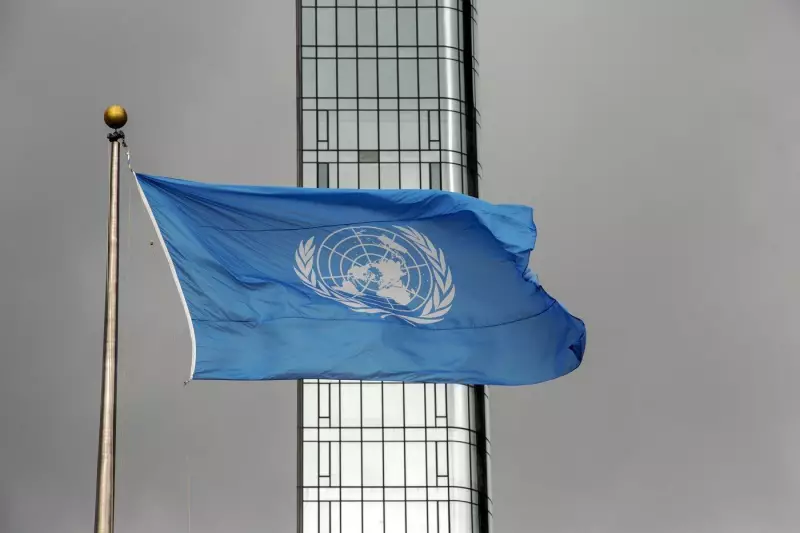
The United States has formally exited a pivotal United Nations climate treaty, a move announced on January 8, 2026, that is being widely condemned by environmental advocates and diplomatic observers as an act of self-sabotage. The decision, reported by Reuters, marks a significant retreat from international cooperation on the pressing issue of climate change.
A Step Backwards for Global Climate Action
This withdrawal represents a major shift in U.S. foreign environmental policy, removing the world's largest historical emitter from a key framework designed to coordinate global efforts to reduce greenhouse gases. Analysts suggest the move could undermine the treaty's effectiveness, create leadership vacuums, and encourage other nations to scale back their commitments. The timing is particularly critical as scientists continue to warn of accelerating climate impacts.
International Reaction and Diplomatic Fallout
The international response has been one of sharp criticism and concern. Allies and adversaries alike have expressed dismay, framing the exit as a blow to multilateralism and planetary stability. The decision is seen as isolating the U.S. on the world stage on an issue that demands unified action. This development threatens to fragment the coordinated international response needed to meet climate targets and support vulnerable nations.

Implications for Future Climate Negotiations
The long-term consequences of this withdrawal are profound. It complicates future negotiations, raises questions about the reliability of U.S. commitments, and places greater burden on other major economies and blocs, such as the European Union and China, to fill the leadership void. For Canada, a close neighbor and traditional ally on environmental issues, the move creates diplomatic and strategic challenges, potentially forcing a reevaluation of its own climate diplomacy and cross-border environmental policies.
Ultimately, the U.S. exit from this UN climate treaty is viewed not just as a policy change, but as a strategic misstep that weakens both American influence and the global fight against climate change at a time when scientific consensus calls for escalated, not diminished, cooperation.