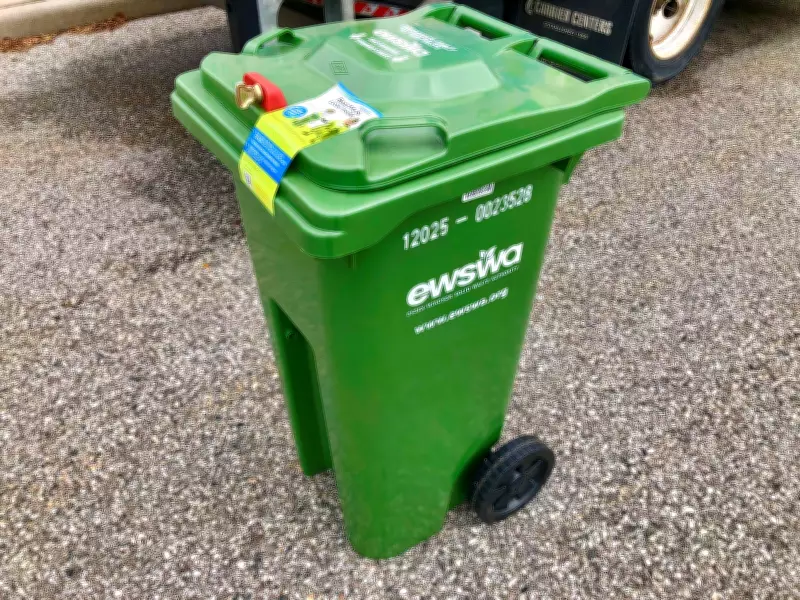
Windsor-Essex is celebrating a significant environmental milestone: 5,000 tonnes of food waste have been successfully diverted from landfills through the region's green bin program. The achievement was announced on May 1, 2026, highlighting the community's commitment to sustainability and waste reduction.
Green Bin Program Success
Since its launch, the green bin program has provided residents with a convenient way to dispose of organic waste, including food scraps and yard trimmings. The collected material is processed into compost, which is then used to enrich soil in local parks, gardens, and agricultural lands. This initiative not only reduces methane emissions from landfills but also supports a circular economy by turning waste into a valuable resource.
Community Participation
Local officials praised the efforts of Windsor-Essex residents for their active participation in the program. The 5,000-tonne mark represents a collective effort by households, businesses, and institutions to adopt more sustainable waste management practices. Educational campaigns and outreach programs have been instrumental in increasing awareness and participation rates.

Environmental Impact
Diverting organic waste from landfills significantly reduces greenhouse gas emissions, particularly methane, which is a potent contributor to climate change. The green bin program also helps conserve landfill space and promotes soil health through compost use. This milestone aligns with broader provincial and national goals for waste reduction and environmental protection.
As Windsor-Essex continues to expand its green bin program, officials are optimistic about reaching even higher diversion targets in the coming years. The success of this initiative serves as a model for other communities looking to implement similar organic waste management strategies.