As the new year unfolds, critical climate and environmental developments continue to emerge both locally in British Columbia and on the global stage. From persistent underground wildfires to significant political decisions impacting international cooperation, here is the latest news for the week of January 5 to January 11, 2026.
Zombie Fires and Pipeline Controversy in B.C.
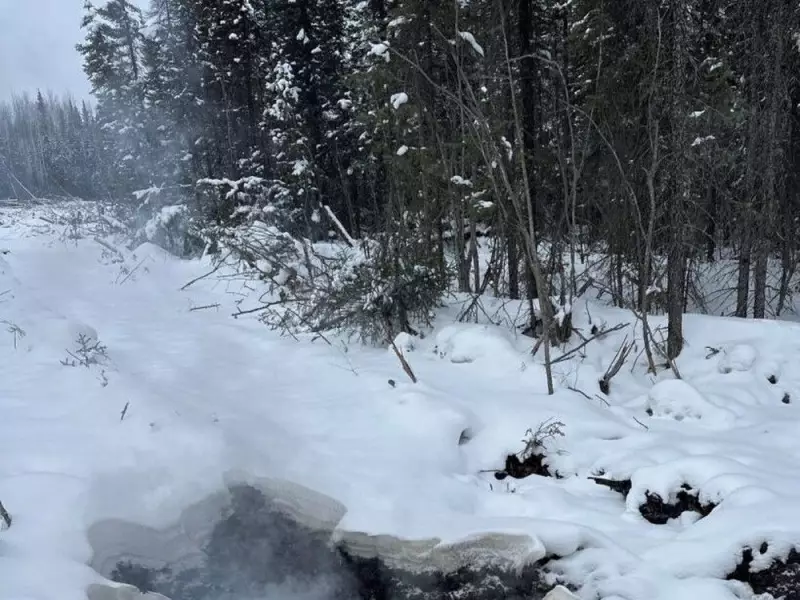
In a stark reminder of the previous fire season's intensity, so-called "zombie wildfires" continue to smoulder underground in Fort Nelson, B.C., throughout the winter months. These holdover fires, which burn in deep organic layers like peat, pose a significant risk of re-emerging with greater force when warmer, drier conditions return.
Meanwhile, a proposed alternative route for Alberta's pipeline ambitions is facing strong opposition. Conservationists are arguing that Roberts Bank in British Columbia is not a viable or easier option for pipeline expansion, citing profound risks to the delicate Fraser River estuary and its critical biodiversity, including key species like southern resident killer whales.

A Global Setback for Climate Cooperation
In a move with substantial international repercussions, former U.S. President Donald Trump has dealt a significant blow to global climate efforts. Upon returning to office, Trump has initiated a withdrawal from crucial United Nations climate bodies. This decision severely undermines multilateral frameworks established to coordinate and accelerate action on reducing greenhouse gas emissions.
This political shift coincides with warnings from figures like Bill Gates, who cautions that relying solely on "market forces" is insufficient to combat the climate crisis, especially as existing programs face dismantling.
The Unyielding Science of Climate Change
The scientific data underpinning these events remains alarming and unequivocal. According to the latest measurements from the National Oceanic and Atmospheric Administration (NOAA) at the Mauna Loa Observatory, atmospheric carbon dioxide levels reached 427.49 parts per million as of January 5, 2026. This marks a steady and disturbing rise from under 320 ppm in the 1960s.
NASA climate scientists confirm that human activities, primarily from burning fossil fuels, have increased atmospheric CO2 by 50% in less than two centuries, driving unprecedented planetary warming. The UN's Intergovernmental Panel on Climate Change (IPCC), which includes researchers from B.C., has long warned that such warming leads directly to more frequent and intense disasters, including heat domes, catastrophic flooding, and longer wildfire seasons.
The global average temperature for 2024 breached the critical 1.5°C threshold above pre-industrial levels, reaching 1.55°C. With 2025 projected to be among the warmest years on record, the window to limit the worst impacts of climate change is rapidly closing. Current national commitments are still projected to lead to a devastating temperature rise of 2.3°C to 2.5°C this century.
This weekly update underscores the interconnected nature of local environmental threats and global political decisions, highlighting the ongoing urgency of the climate emergency.