British Columbia is officially stepping back from its ambitious goal of requiring all new light-duty vehicles sold to be zero-emission by 2035. The province, which was the first jurisdiction in the world to legislate ZEV sales targets six years ago, now acknowledges the current targets are no longer realistic.
Revised Targets Coming in Spring Legislation
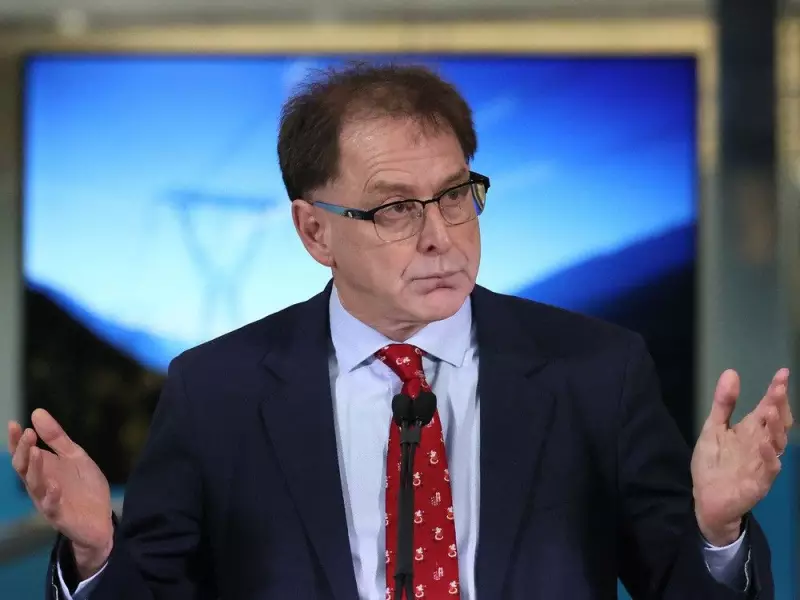
Energy Minister Adrian Dix confirmed that legislation will be introduced in the spring of 2025 to modify the existing mandate. The original targets required 90% of new light-duty vehicles to be zero-emission by 2030 and 100% by 2035. Dix explicitly stated these goals are no longer achievable, pointing to declining electric vehicle sales across North America, including in B.C.
The minister placed partial blame on the federal government's decision to end its EV rebate program and cited policies under U.S. President Donald Trump as contributing factors to the sales downturn.

From Leader to Realist: B.C.'s EV Journey
When B.C. first introduced the ZEV targets in 2019 under then-energy minister Michelle Mungall, the province was exceeding expectations. Officials had projected 17% of new light-duty vehicles would be zero-emission by 2025, but the province actually reached 25% by 2024.
However, the trend has since reversed dramatically. Data from the Energy Futures Institute shows the share of zero-emission vehicles sold has fallen to just 15% this past summer, highlighting the significant challenge facing the government's original targets.
New Approach Focuses on Broader Efforts
While awaiting a review of the government's climate plan to set new specific targets, Dix outlined immediate regulatory changes. The province will expand the types of vehicles that count toward the targets and give manufacturers credit for various efforts beyond simply selling EVs.
These efforts include lowering prices, offering low-cost or no-cost financing, and helping install charging infrastructure. The minister emphasized that any new rebate programs should be a federal responsibility, confirming the province will not revive its own $4,000 rebate program that was paused in May due to stagnating demand.
The provincial retreat mirrors federal actions, as Ottawa also ended its $5,000 rebate program in January and paused its own national EV mandate rollout in September, which would have required 20% of new light-duty vehicles to be zero-emission next year.