Electric Buses Encounter Significant Winter Limitations Across Canada
The ambitious rollout of zero-emission electric buses across Canadian municipalities is encountering substantial operational challenges during the country's notoriously harsh winter months. While environmental goals drive this transition, practical realities of extreme cold weather are testing the viability of current electric bus technology in northern climates.
Severe Range Reduction in Freezing Temperatures
Municipal data and transit worker reports confirm what many transportation experts have warned: electric bus performance deteriorates dramatically in sub-zero conditions. Battery efficiency plummets when temperatures drop, creating operational limitations that could undermine transit reliability during critical winter months.
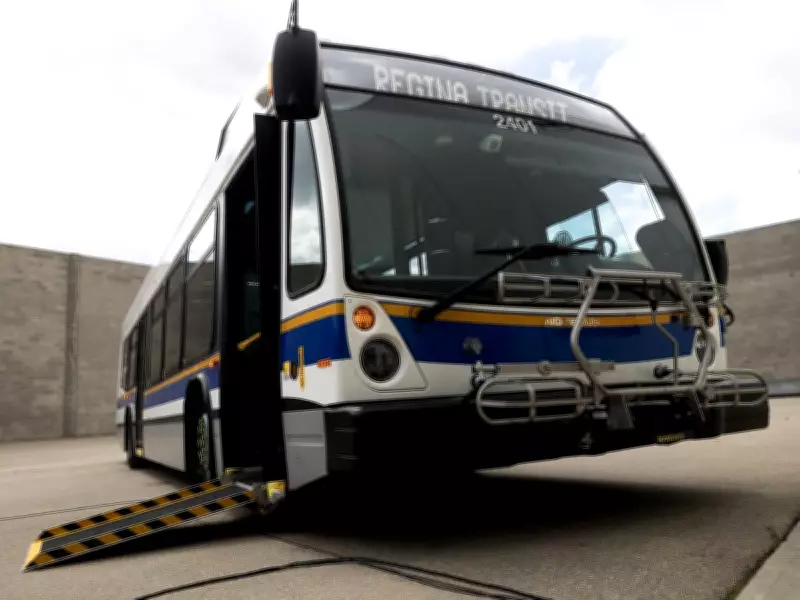
In Regina, Saskatchewan, the local transit union has issued warnings about electric buses struggling to maintain service for more than three consecutive hours during cold snaps. This limitation presents serious challenges for maintaining consistent public transportation schedules in communities where winter temperatures regularly plummet below -30°C with biting wind chills.

Federal Funding Versus Practical Realities
The federal government's Zero Emission Transit Fund has committed billions of dollars to support municipal transitions to electric bus fleets. However, critics argue this substantial investment has proceeded without adequate consideration of cold-weather performance factors that are essential for reliable Canadian transit operations.
Academic research from institutions including Concordia University has highlighted persistent concerns about electric vehicle performance in cold climates. Even Canada's National Research Council has cautioned that electric buses "may not be ready for prime time in Canada's harsh climate," suggesting a gap between environmental aspirations and technological readiness.
Municipal Adaptations and Compromises
Facing these operational challenges, some Canadian cities are implementing creative—and sometimes contradictory—solutions to maintain electric bus service through winter months.
In Saskatoon, transit officials have equipped their electric buses with hybrid diesel auxiliary heaters specifically designed "to ensure reliable performance during winter." This adaptation essentially bolts diesel systems back onto electric vehicles, creating a hybrid solution that somewhat contradicts the zero-emission objectives driving the initial investment.
Edmonton has encountered similar challenges with its electric bus fleet, joining other municipalities in what many are treating as an extended learning exercise about how this technology performs in authentic Canadian winter conditions.
Policy Implementation Concerns
The situation highlights broader concerns about how environmental policies are implemented across Canada's diverse climate zones. While reducing transportation emissions remains a worthwhile goal, the electric bus experience suggests that policy implementation must be grounded in practical realities rather than optimistic projections.
Transit advocates and municipal officials increasingly question whether the current generation of electric bus technology has been adequately tested for Canadian conditions before receiving substantial federal funding commitments. The tension between environmental timelines and operational readiness continues to shape conversations about sustainable transportation infrastructure across the country.
As Canadian cities continue their electric bus experiments, the coming winters will provide crucial data about whether current technology can meet the dual demands of environmental sustainability and reliable public transportation in some of the world's most challenging climate conditions.