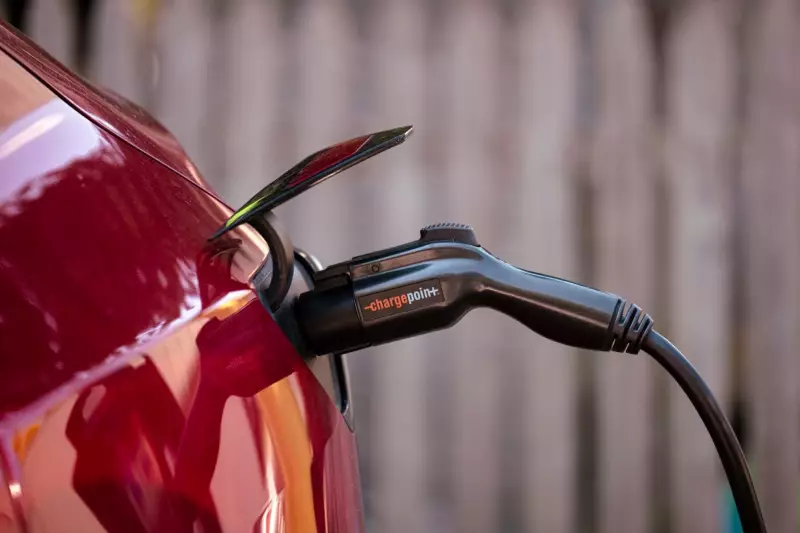
The Quebec government has indicated it is open to potentially pushing back its ambitious target of requiring all new vehicles sold in the province to be electric by 2035. This significant deadline, a cornerstone of the province's climate plan, is now under review as officials assess the feasibility of the transition.
A Deadline Under Review
In a statement issued on January 30, 2025, the provincial government confirmed it is not ruling out an extension to the 2035 target. The announcement reflects a pragmatic approach, acknowledging the substantial challenges involved in overhauling the automotive market and infrastructure within a single decade. The government's primary focus remains on accelerating the adoption of zero-emission vehicles, but the timeline for a complete shift is now being examined with more flexibility.
The Context of the 2035 Mandate
Quebec's original mandate, which aligns with a similar goal in California, is one of the most aggressive in North America. The policy was designed to drastically cut greenhouse gas emissions from the transportation sector, which is a major source of pollution in the province. However, the path to 100% electric vehicle sales involves complex hurdles, including:

- Consumer affordability and purchase incentives.
- The rapid expansion of public and private charging networks.
- Supply chain reliability for critical minerals and batteries.
- Ensuring the electrical grid can handle the increased demand.
The government's new openness to adjusting the deadline suggests these practical considerations are gaining prominence in the policy conversation.
Implications for Consumers and Industry
This potential shift has broad implications. For consumers, it may alleviate immediate pressure and provide more time for the EV market to mature, potentially leading to more affordable models and a more robust used-car market. For automakers and dealerships, it could mean a more gradual, managed transition, allowing for longer production cycles for hybrid and internal combustion engine vehicles.
However, environmental advocates are likely to express concern that any delay could undermine Quebec's climate goals. The government will need to balance environmental urgency with economic and logistical reality. The coming months will be critical as officials gather data on adoption rates, infrastructure progress, and economic conditions before making a final decision on the 2035 cutoff.
While the 2035 target remains the official goal, the government's latest position introduces a note of contingency planning into Quebec's green transportation strategy. The world will be watching to see how one of Canada's leading provinces on climate action navigates this complex transition.