A motion put forward by a Regina city councillor to halt the purchase of new electric buses for the city's transit fleet has been ruled out of order and subsequently tossed out. The procedural move effectively ends the attempt to pause the municipality's shift towards zero-emission public transportation.
Motion Deemed Procedurally Invalid
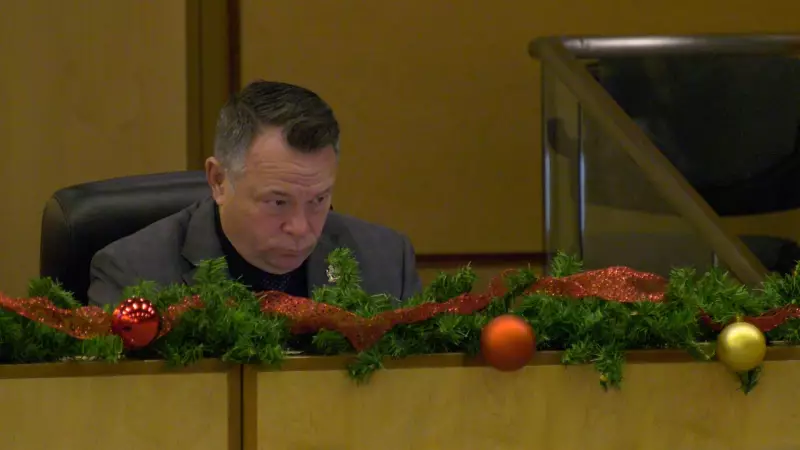
The motion was introduced by Councillor Clark Bezo during deliberations for the 2026-27 city budget. However, the council's chair or presiding officer determined that the proposal did not meet the necessary procedural requirements to be considered, declaring it out of order. This parliamentary ruling meant the motion could not be debated or voted on by council members and was removed from the agenda.
While the specific procedural grounds for the ruling were not detailed in the initial report, such decisions typically occur when a motion conflicts with existing council policy, is beyond the council's legal authority, or improperly attempts to reverse a prior council decision without following correct processes.

Context of the Budget Deliberations
The attempt to pause electric bus purchases came during a critical period for the city's financial planning. Budget deliberations are when councillors debate and set spending priorities for the coming fiscal year, including major capital investments like public transit infrastructure.
Regina, like many Canadian municipalities, has been exploring and investing in electric buses as part of broader environmental sustainability and climate action goals. The federal government has also provided funding incentives for cities to adopt zero-emission public transit options.
Implications for Regina's Transit Future
The dismissal of the motion allows the city's existing plans for fleet electrification to proceed as previously envisioned within the budget framework. This outcome signals a continued commitment to transitioning away from diesel-powered buses, despite concerns that may exist about upfront costs or infrastructure challenges.
The swift procedural end to the debate suggests that the majority of council may not have supported the proposed halt, or that the administration's plans for electrification are considered settled policy. The decision keeps Regina on a path that aligns with national trends toward greener municipal transit systems.
Councillor Bezo's motion, though unsuccessful, highlights the ongoing discussions and potential disagreements at the municipal level regarding the pace and cost of adopting new, environmentally focused technologies for essential services.