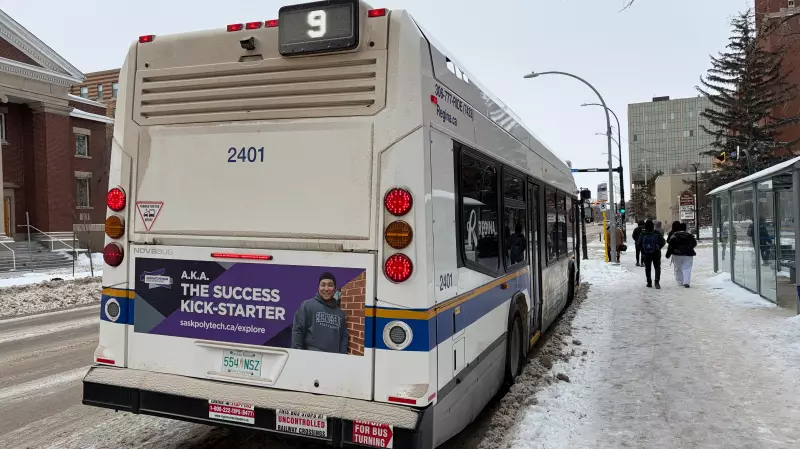
Regina Transit's fleet of electric buses has officially met its first major Canadian adversary: a full Saskatchewan winter. The new zero-emission vehicles, a key part of the city's sustainable transportation strategy, are now being rigorously tested by the province's characteristically cold and snowy conditions.
The Inaugural Winter Challenge
The transition from fair-weather operation to winter resilience is a critical milestone for any electric vehicle program, especially in a prairie climate known for its extremes. The performance of the buses' batteries, heating systems, and traction in sub-zero temperatures and on snow-covered routes is under close scrutiny by transit officials. This real-world test goes beyond manufacturer specifications, providing invaluable data on how the technology holds up in daily service when temperatures plummet.
Initial observations focus on several key areas. Battery efficiency is paramount, as cold weather can significantly reduce range and require more energy for cabin heating. The functionality of charging infrastructure in freezing rain and snow is also being monitored. Furthermore, the buses' handling and safety features on icy roads are a top priority for ensuring reliable service for Regina residents throughout the season.

Infrastructure and Operations in the Cold
The winter test is not limited to the buses themselves. The entire support ecosystem, including overhead charging stations and maintenance facilities, must prove it can operate reliably in harsh weather. Regina Transit has implemented specific cold-weather protocols for the electric fleet, which may include preconditioning batteries while plugged in, adjusting charging schedules, and potentially housing the vehicles in heated depots overnight to preserve range.
This pilot phase is essential for identifying any unforeseen challenges. Data collected on energy consumption, required frequency of charging, and any mechanical issues that arise specifically from the cold will inform future procurement decisions and operational planning. The goal is to ensure that the electric buses can provide the same dependable service as their diesel counterparts, regardless of the temperature.
Looking Toward a Greener Transit Future
The successful integration of electric buses into Regina's winter landscape is a crucial step for the city's environmental and sustainability goals. Electrifying public transit reduces greenhouse gas emissions and local air pollutants, contributing to cleaner urban air. The lessons learned during this first winter will be instrumental for other Canadian cities considering or expanding their own electric bus fleets, particularly those in regions with similar climate challenges.
While the technology has proven itself in milder climates, the prairie winter remains the ultimate proving ground. The performance of Regina's electric buses over the coming months will demonstrate the viability of this technology as a year-round solution for sustainable public transportation in Canada. It represents a significant investment in a cleaner, quieter, and more modern transit system for the Queen City.