About six months ago, when dictator Nicolás Maduro was captured and removed from Venezuela by the Trump administration, everyone on my social media feed suddenly became a geopolitical expert. People whom I’ve never heard discuss global politics seemed to have endless, unwavering opinions about what was best for Venezuela, often drowning out the voices of the Venezuelans actually living through the crisis.
Two Devastating Earthquakes
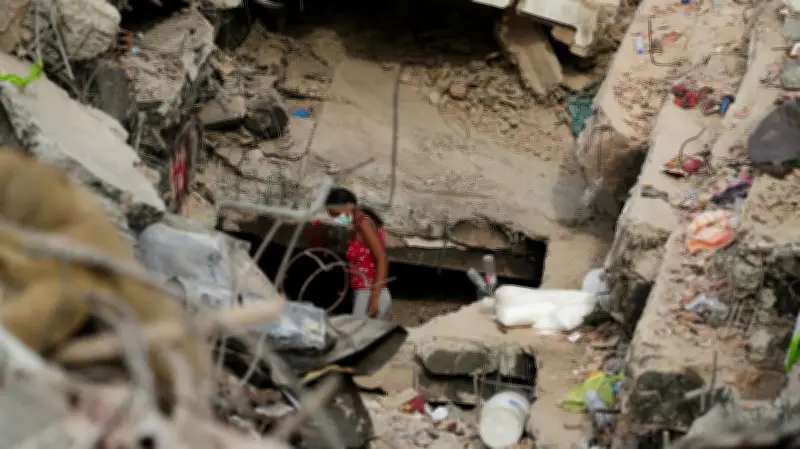
Cut to June 24 and 25, when two devastating earthquakes struck the country in succession, with the epicenters a little outside Caracas. Over 2,600 people have been confirmed dead, according to the country’s information ministry, and thousands more are still unaccounted for, including more than 100 migrants recently deported to Venezuela by the Trump administration. The critical 72-hour window for finding survivors has passed, and, amid the devastation, there have only been a handful of stories that offer hope, including one about a toddler who was pulled alive from the rubble after six days.
Social Media Silence
It’s difficult to overstate the scale of this disaster. But what has been equally shocking to me is how little attention it’s receiving on social media, especially when we consider how obsessed everyone was with Venezuela just a few months ago. The contrast is pretty difficult to ignore, especially for someone like me, who is from Latin America and has often seen how much Latin American countries are used as political pawns by the U.S. When Venezuela was a political story, people seemed pretty passionate about the country’s well-being. Now that there’s a humanitarian catastrophe affecting thousands of Venezuelan lives, the conversation has largely disappeared.

Uncomfortable Questions
This raises an uncomfortable question: Do we find more compassion for people who are being politically persecuted rather than reeling from a natural disaster? And more transparently, are we capable of caring about trauma in other countries, even when it’s not a result of poor decision-making by a president that many of us collectively resent?
Regardless of where your politics fall, the United States is deeply connected to Venezuela’s past — and its future. Thousands of Venezuelans have been affected by U.S. policy, and countless families have ties that stretch across both countries. We could all be doing better to take action, even if it’s by donating a small amount to the incredibly dire rescue efforts.
Rescue Efforts and Needs
Rescue crews have faced severe shortages of heavy machinery needed to clear collapsed buildings, and people who have survived the earthquake are in need of food, medical supplies and everyday necessities. Their government’s response has been reported as slow, disorganized and insufficient.
How to Help
There are plenty of tangible ways we can and should help, including by supporting organizations that already have people on the ground, such as Caritas Venezuela, Sonrisas Venezuela, and Direct Relief. You can also seek out community leaders on the ground whom you trust and who are running their own campaigns.
Across the United States, Venezuelan American communities in New York; Los Angeles; Chicago; Washington, D.C.; and Miami are also organizing donation drop-offs to collect aid that will be shipped directly to Venezuela.
If you had something to say about Venezuela earlier this year, now is the time to put our money where our mouths are.