Prime Minister Mark Carney acknowledged that Canada's greenhouse gas emissions will be higher in the coming years than previously projected by the federal government, just days before Premier Danielle Smith is expected to unveil Alberta's application for a new West Coast pipeline.
In a video address posted on social media, Carney said the emissions reduction targets set under the previous Trudeau government were “not sustainable” and would have made energy too expensive for Canadians while constraining the oil and gas sector at a time when trading partners are looking to Canada for energy.
Shift in Climate Policy
Carney argued that the former government's climate plan was well-intentioned and suited to conditions when it was designed, but circumstances have changed over the past decade. “We can't afford to restrain the growth of an important part of our energy mix, oil and gas, to meet a short-term goal,” Carney said.

The prime minister also linked his energy policies to national unity, stating that the stricter environmental regime proposed by the Trudeau government was “an open opportunity for those people who wish to pull Canada apart.”
Pipeline Application Imminent
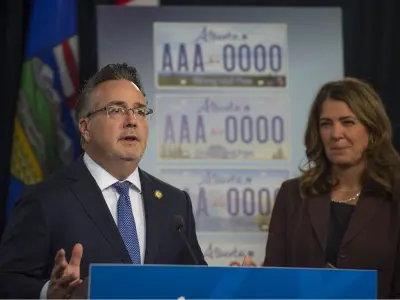
Carney's remarks came on the eve of Canada Day, when Smith vowed to have a pipeline proposal ready for submission to the federal Major Projects Office in Calgary. A spokesperson for the premier confirmed that a “major announcement” is scheduled for Thursday to outline Alberta's submission.
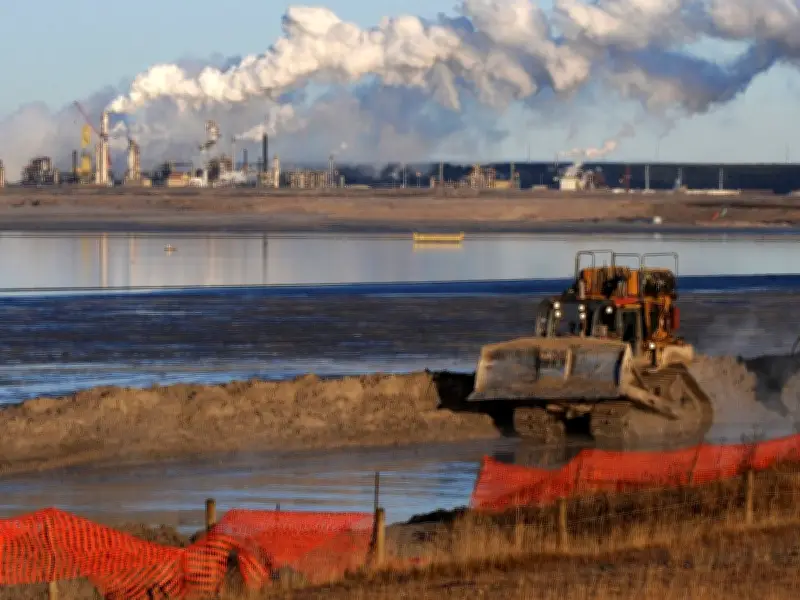
The proposed pipeline, which is part of an energy pact between Ottawa and Alberta, would carry up to one million barrels per day of Alberta crude oil to the coast of British Columbia, targeting energy-hungry markets in Asia. However, no private proponent has yet come forward with financial backing, and both governments have indicated the project requires private sector support.
Carbon Capture and Opposition
The pipeline's approval is contingent on a multi-billion-dollar carbon capture and storage project, which itself needs approval from major oilsands producers. Coastal First Nations and the British Columbia government oppose the pipeline, citing environmental concerns and an existing federal tanker ban in coastal waters.
The memorandum of understanding on energy also laid the groundwork for other agreements, including an industrial carbon price, methane equivalency, and environmental impact assessments.
Carney emphasized the need for stability amid geopolitical uncertainty. “Our neighborhood hasn't been this hostile since Canada was founded. The world hasn't been this unstable geopolitically since the end of the Second World War. We must establish stability amidst this chaos,” he said.