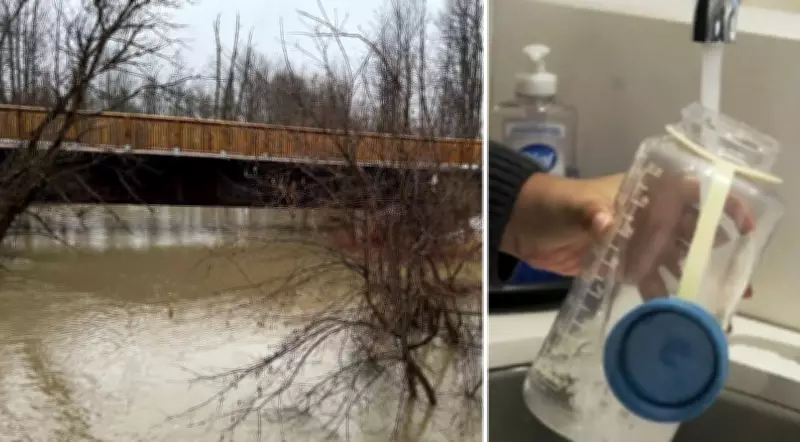
Health experts are issuing a stark warning to residents: do not trust your tap water after flooding. Flood waters can carry dangerous bacteria and chemicals that make drinking water unsafe, according to a recent advisory from the health unit.
Why Flood Water Is Dangerous
Flooding can overwhelm water treatment systems and introduce contaminants such as sewage, agricultural runoff, and industrial chemicals into the water supply. Even if the water looks clear, it may still harbor harmful pathogens like E. coli, giardia, and norovirus.
Health Risks
Consuming contaminated water can lead to gastrointestinal illnesses, skin infections, and more serious conditions, especially for vulnerable populations like children, the elderly, and those with compromised immune systems.

What You Should Do
The health unit advises residents in flood-affected areas to:
- Use bottled water for drinking, cooking, and brushing teeth
- Boil tap water for at least one minute if bottled water is not available
- Follow local boil water advisories until lifted by authorities
- Avoid using ice made from tap water
- Wash hands with soap and bottled or boiled water
Long-Term Precautions
After flooding, it is essential to have your well water tested if you rely on a private well. The health unit recommends testing for bacteria and chemical contaminants before resuming normal use.
Stay Informed
Residents should monitor local news and official health unit announcements for updates on water safety. The health unit will issue notices when it is safe to resume using tap water.