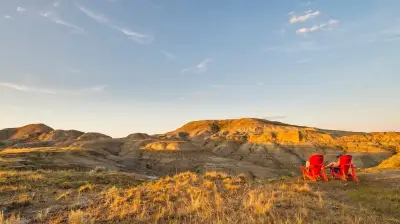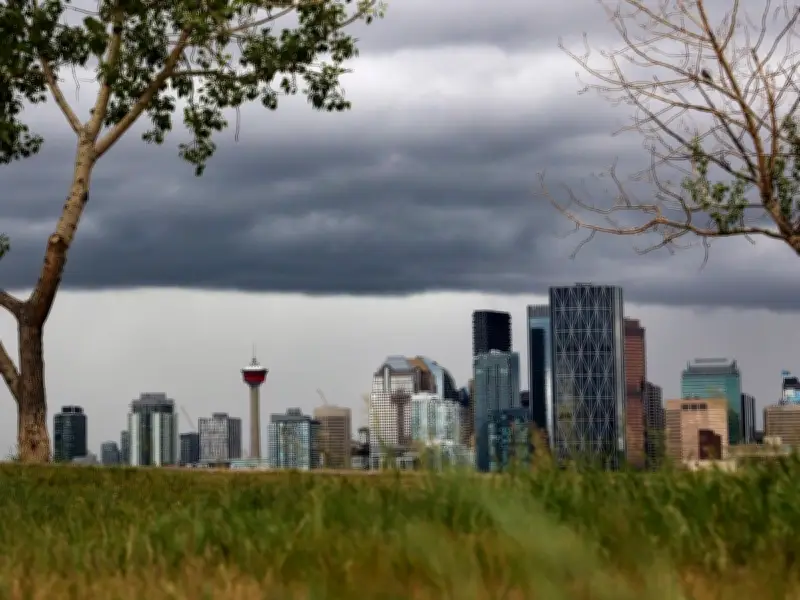
Scientists say a strong El Niño weather pattern is virtually certain this year, with potential impacts on Alberta including milder winter temperatures, reduced snowpack, and increased drought and wildfire risks. The event, sometimes called a Super El Niño, could become one of the strongest on record.
What is El Niño and Why Does It Matter?
El Niño is a climate pattern that occurs every two to seven years and typically lasts nine to 12 months. It involves the warming of ocean surface waters off the coast of South America, which causes massive shifts in rainfall in that region. According to Bill Merryfield, a research scientist with Environment and Climate Change Canada (ECCC), these shifts then alter atmospheric patterns across much of the globe, including Canada.
For Alberta, El Niño historically brings milder-than-usual winter and spring temperatures, along with less precipitation, particularly near the Rockies and western prairies. Merryfield explains that the combination of mild temperatures and reduced precipitation often leads to a lower-than-normal snowpack, which in turn reduces stream and river flows in the spring and leaves the ground dry and susceptible to wildfires.

A Super El Niño on the Horizon
Merryfield states that it is “virtually certain” an El Niño will occur this year, with Pacific Ocean warming already underway. Some weather agencies have already declared its arrival. Current forecasts predict a strong event, sometimes referred to as a Super El Niño, which occurs when Pacific surface waters warm by more than two degrees Celsius. This would make it comparable to the strongest El Niños in recent decades. “It actually can’t be excluded, at this point, that this year’s El Niño will exceed those events and become the strongest in the recent historical record,” Merryfield said.
Super El Niños occur roughly every 10 to 20 years. Historically, they have brought milder winters and springs across most of Canada, along with reduced precipitation in the western prairies.
Drought and Wildfire Risks for Alberta
Following the 2023/24 El Niño, Alberta experienced a water shortage and drought conditions that experts attributed to the combined effects of the weather event and climate change. Dr. Israel Dunmade, Professor of Environmental Science at Mount Royal University, noted in a 2024 interview with Postmedia that “the depth of this warmth and the drought that we are seeing are aggravated by climate change.” The province has been consistently warming for over 75 years.
Merryfield cautions that recent cool and rainy weather in Alberta is not related to the incoming El Niño, but rather to other weather systems. The effects of El Niño are expected to reach Canada around the end of the year, with the most significant impacts felt from January 2027 into early June.
Global Impacts and Timing
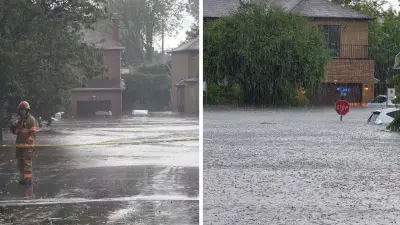
Other parts of the world may experience the effects earlier and more severely. Southeast Asia, for instance, could face drought conditions significant enough to affect food production, while other tropical regions may see heavy rainfall and flooding.
For Alberta, the key concerns remain reduced snowpack and increased wildfire risk as the province heads into the winter and spring of 2027.