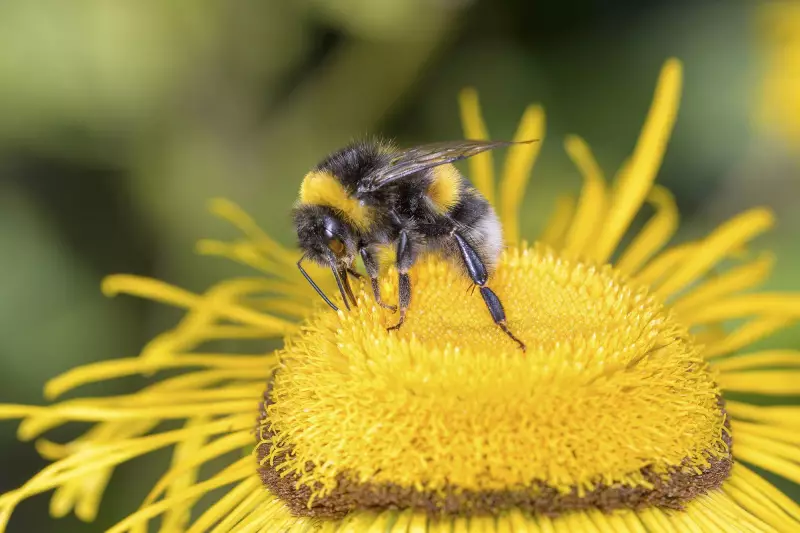
Bumblebees Demonstrate Time Processing Abilities
In a groundbreaking discovery that challenges our understanding of insect intelligence, researchers have confirmed that bumblebees possess the ability to process time. This remarkable finding, published on November 12, 2025, represents the first documented case of temporal processing in any insect species.
The study reveals that these industrious pollinators are far more cognitively sophisticated than previously believed. Bumblebees can now be added to the exclusive list of animals capable of understanding and responding to temporal patterns, joining the ranks of mammals and birds that demonstrate similar cognitive abilities.
Research Methodology and Key Findings
Scientists conducted extensive experiments observing bumblebee behavior in controlled environments. The research team designed tests that required bees to associate specific times of day with food availability, demonstrating their capacity to learn and remember temporal patterns.

The November 12, 2025 publication date marks a significant milestone in entomological research. Researchers noted that the bees consistently adjusted their foraging behavior based on time-based cues, showing clear evidence of internal timekeeping mechanisms.
This discovery fundamentally changes how scientists view insect cognition. Rather than being simple, instinct-driven creatures, bumblebees demonstrate complex cognitive processing that includes temporal awareness.
Implications for Environmental Science and Conservation
The research team emphasizes that these findings should help people recognize that bumblebees are more than unthinking pollinators. Their demonstrated intelligence warrants greater appreciation and potentially enhanced conservation efforts.
Understanding how bees process time could have practical applications in agriculture and environmental management. Farmers and conservationists might develop more effective pollination strategies by considering the temporal patterns that influence bee behavior.
This research also opens new avenues for studying how climate change and environmental disruptions might affect the sophisticated cognitive processes of crucial pollinator species. The timing of flower blooming and other seasonal patterns could become increasingly important in conservation planning.
The study represents a significant step forward in understanding the complex world of insect cognition and highlights the importance of preserving these intelligent contributors to our ecosystem.